1. The Transition from Consumer Gadgets to Healthcare-Integrated Wearables
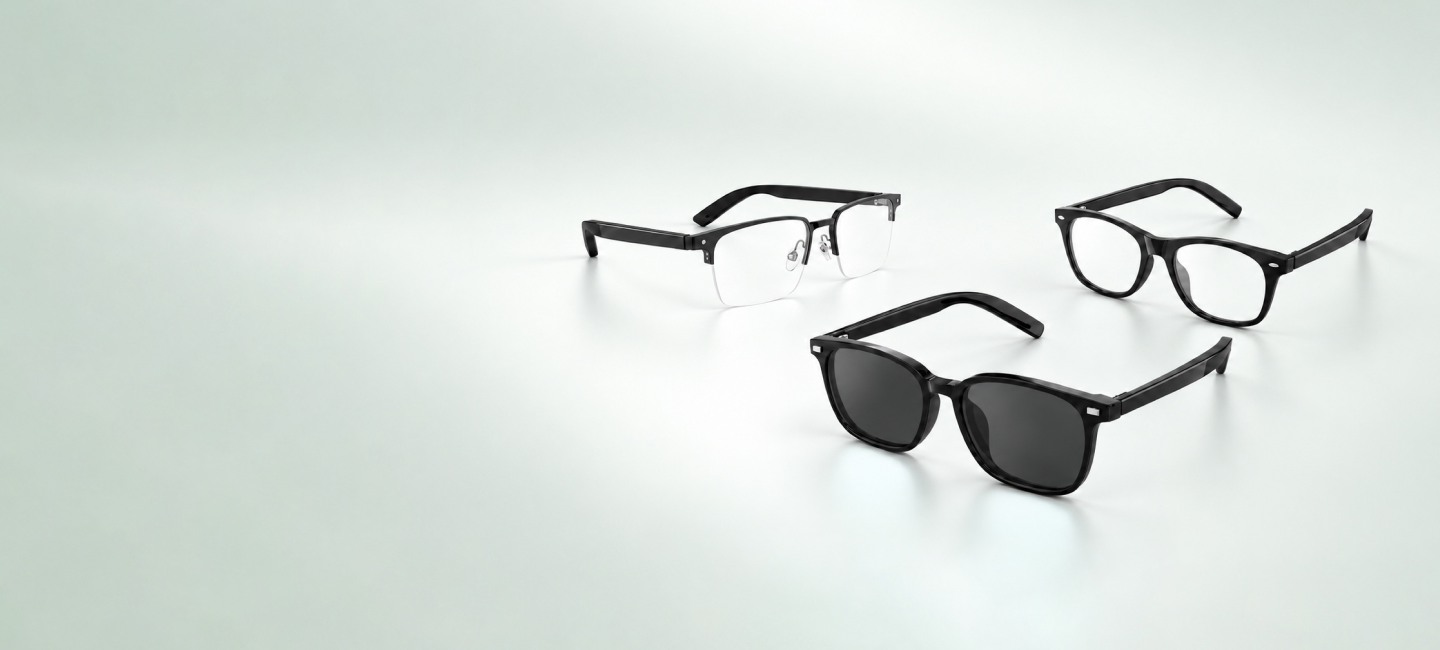
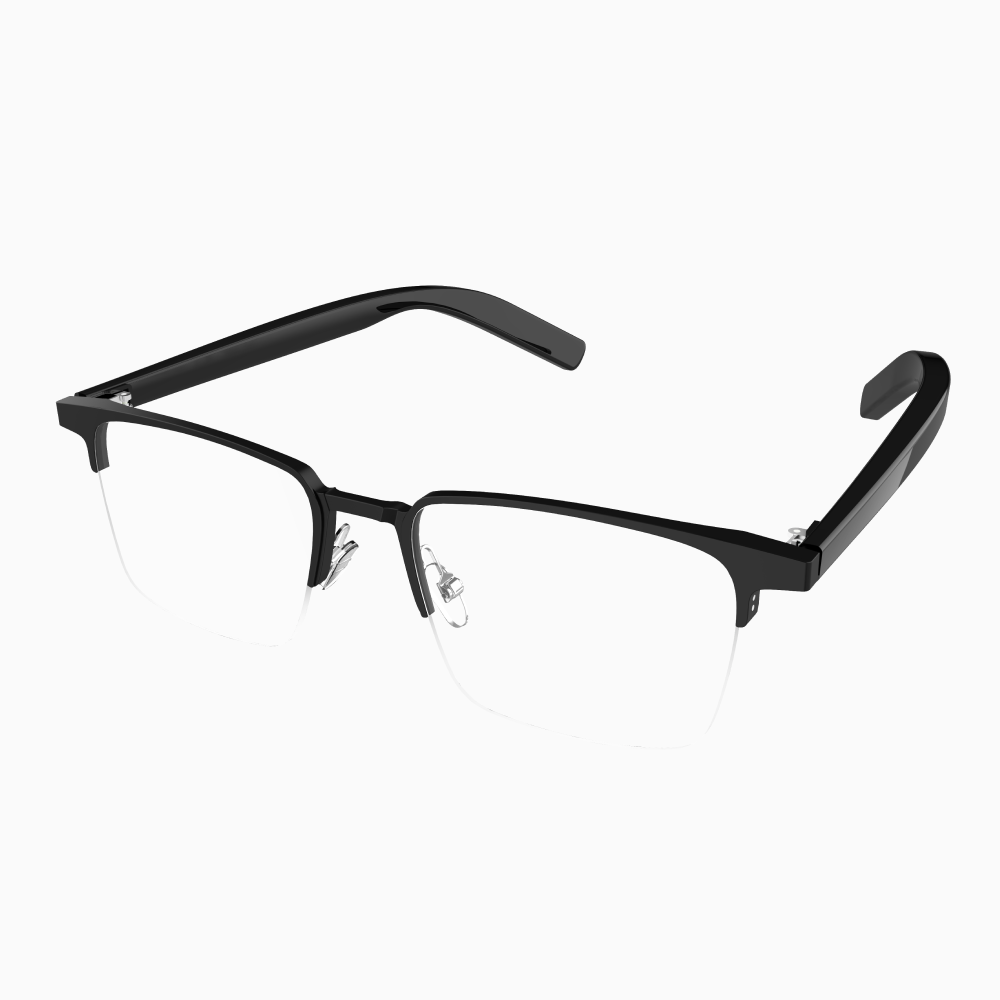
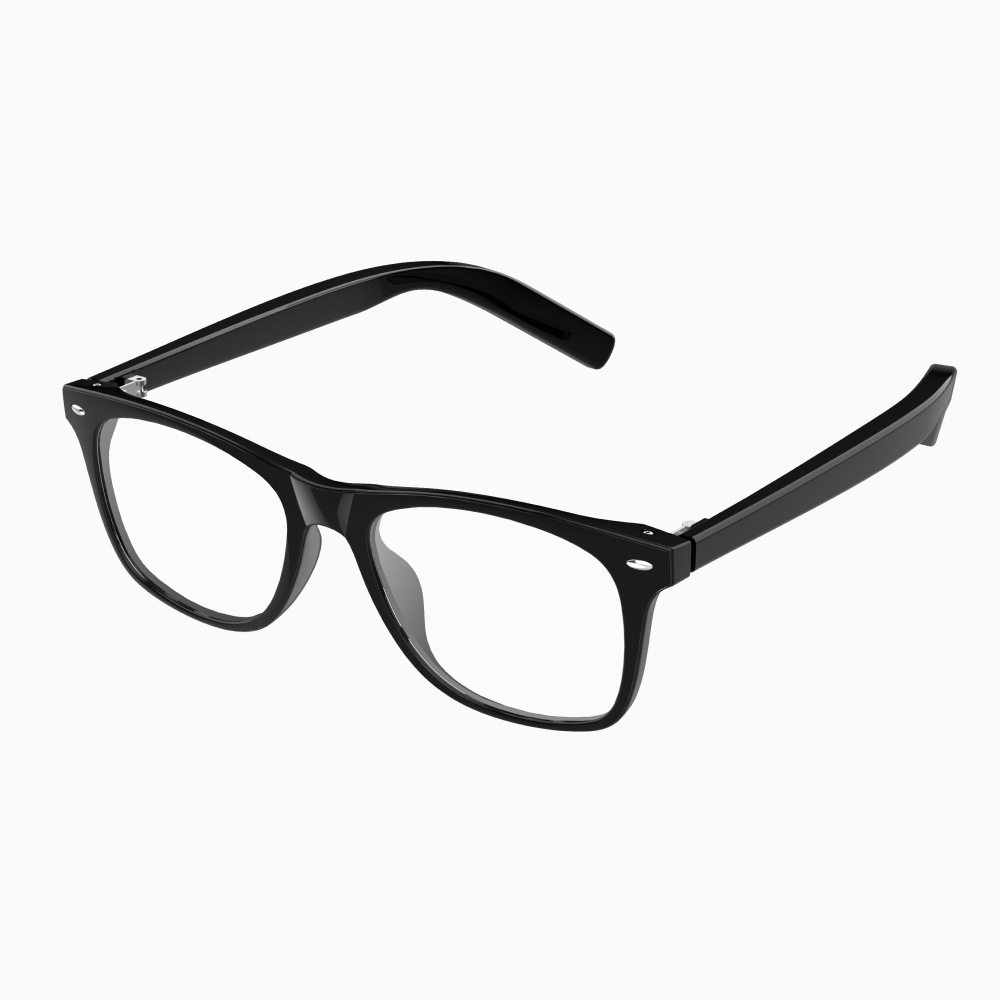
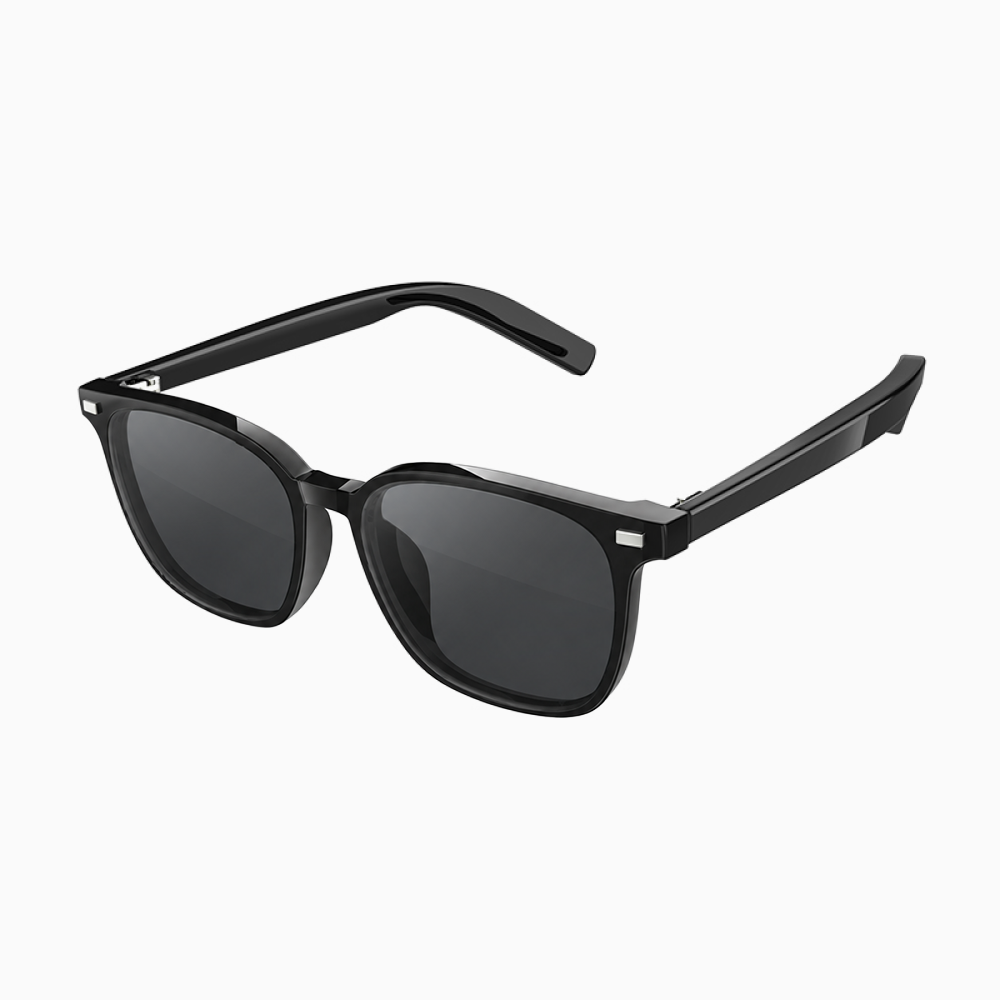
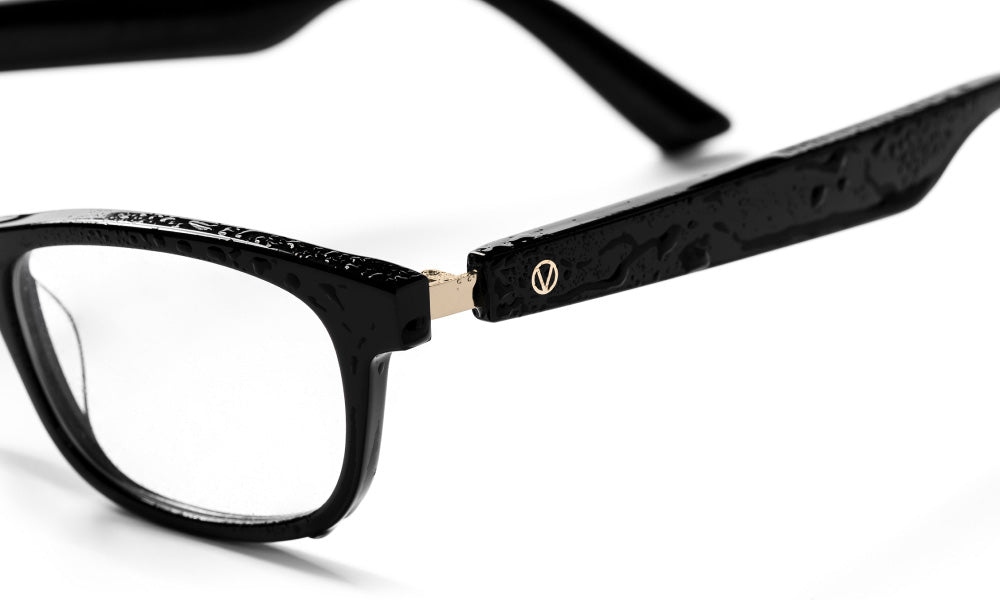
The global optical sector is witnessing a structural shift. Standalone smart audio devices marketed strictly as consumer electronics face high churn rates. Conversely, smart frames engineered to meet prescription optics standards—and therefore qualifying as Vision Insurance Covered Eyewear—demonstrate significantly higher customer retention and retail velocity. Buyers in North America and Western Europe are prioritizing manufacturers that offer turnkey medical invoicing documentation and optical lab support.
2. Weight Optimization as the Primary Metric for Enterprise Adoption
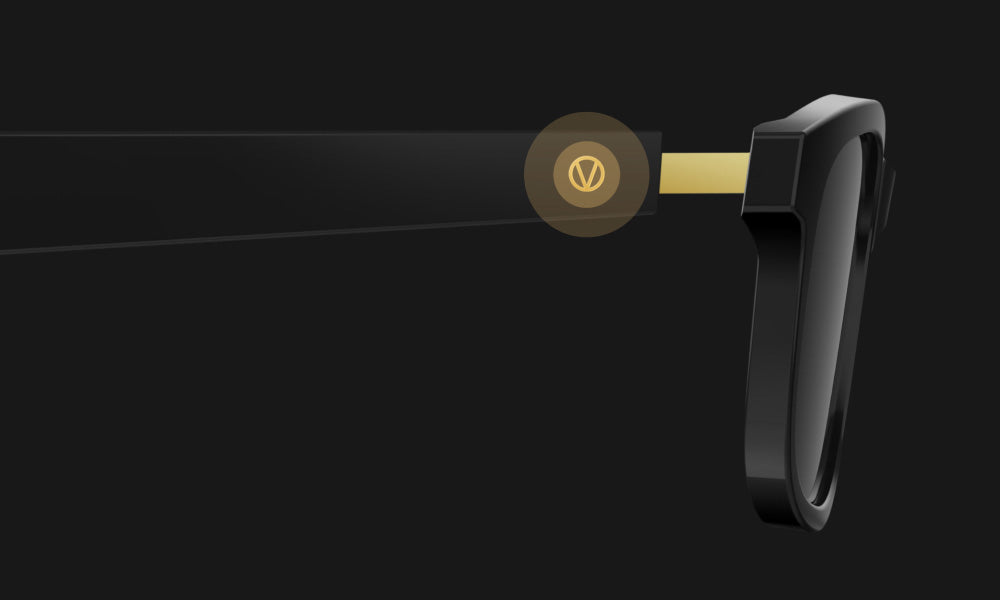
Historical AR/VR headsets failed commercial adoption due to excessive weight (exceeding 80 grams), causing nasal bridge pressure and tension headaches. Sourcing benchmarks for 2025-2030 dictate that daily-wear smart glasses must not exceed 30 grams. Vue’s 25-gram frame profile establishes a key industry benchmark, allowing employees to wear smart glasses throughout an entire 8-hour shift without ergonomic strain.
3. Direct Open-Ear Acoustics Replacing Bone Conduction & In-Ear Pods
Occupational health and safety guidelines increasingly restrict the use of noise-isolating in-ear headphones in logistics, manufacturing, and transport sectors due to loss of situational awareness. Bone conduction headphones, while open-ear, suffer from low bass output, noticeable skull vibration, and sound leakage at elevated volumes. The future of enterprise audio lies in directional micro-speaker arrays that project targeted sound waves while preserving full ear-canal openness.
4. Modular Frame Design & Local Optical Lab Processing
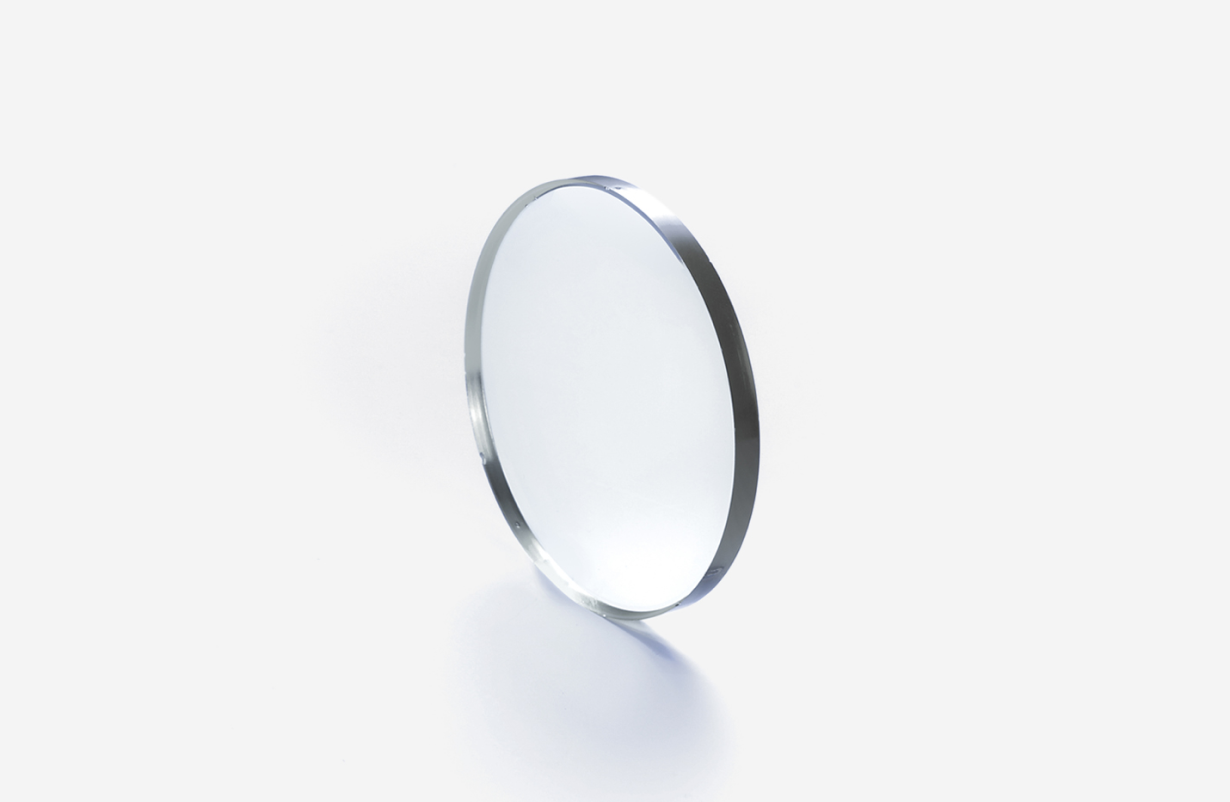
Global optical chains require frames that do not mandate centralized factory lens insertion. Sourcing managers favor smart frames featuring standard bevelled lens grooves, allowing local optometrists and optical labs to cut single-vision, progressive, high-index, or polarized lenses on demand using standard edgers (such as Essilor or Nidek system units).