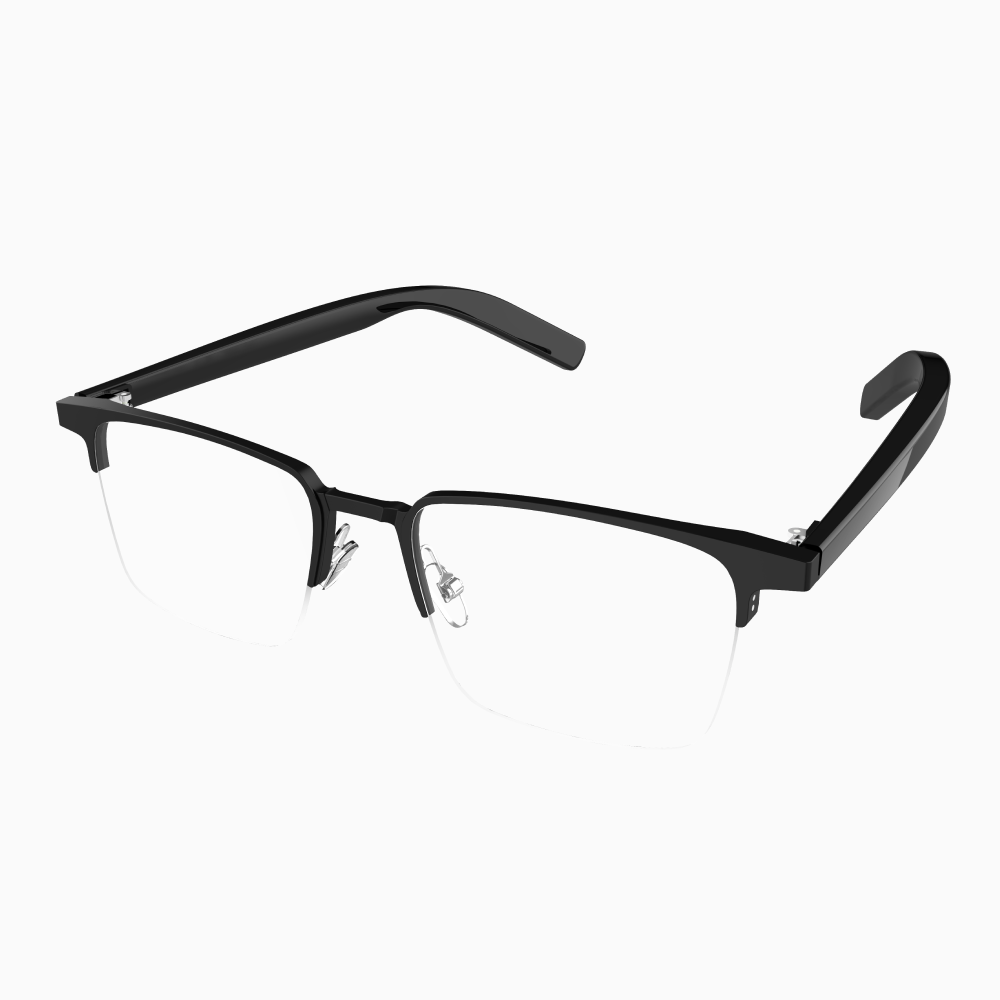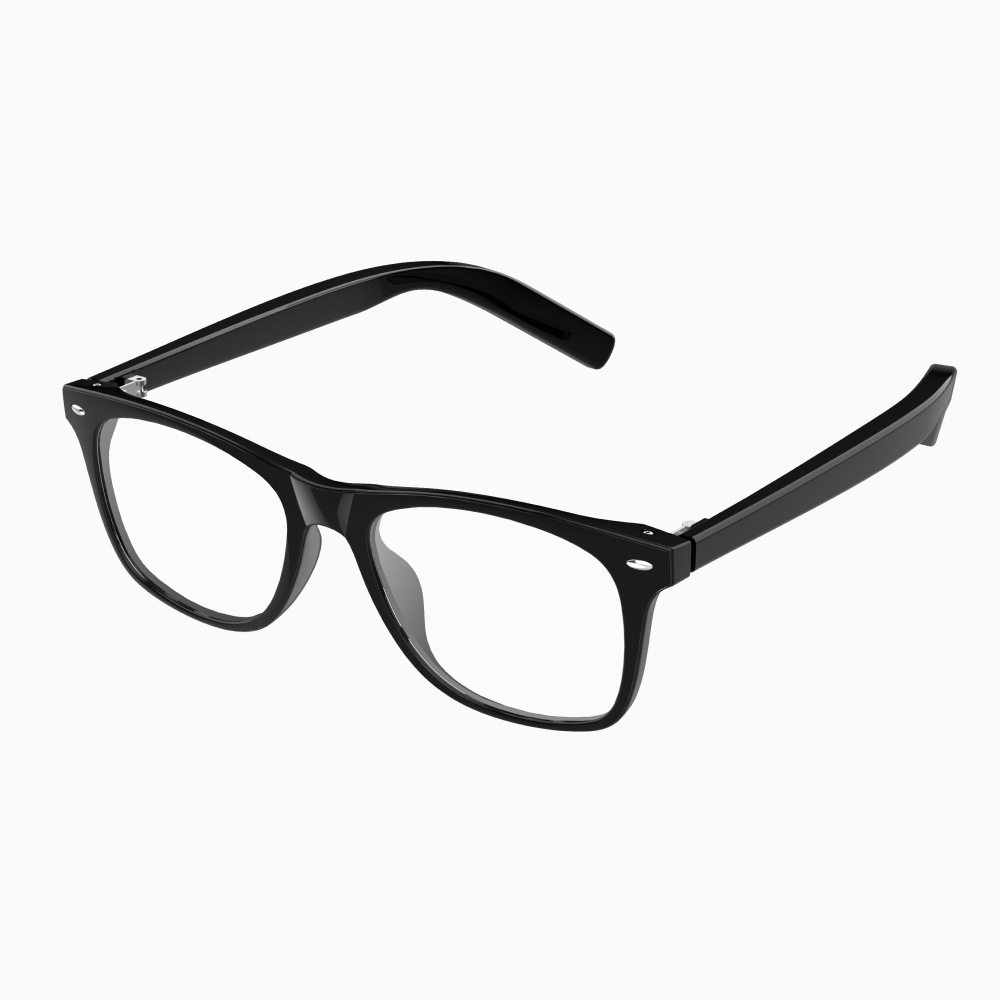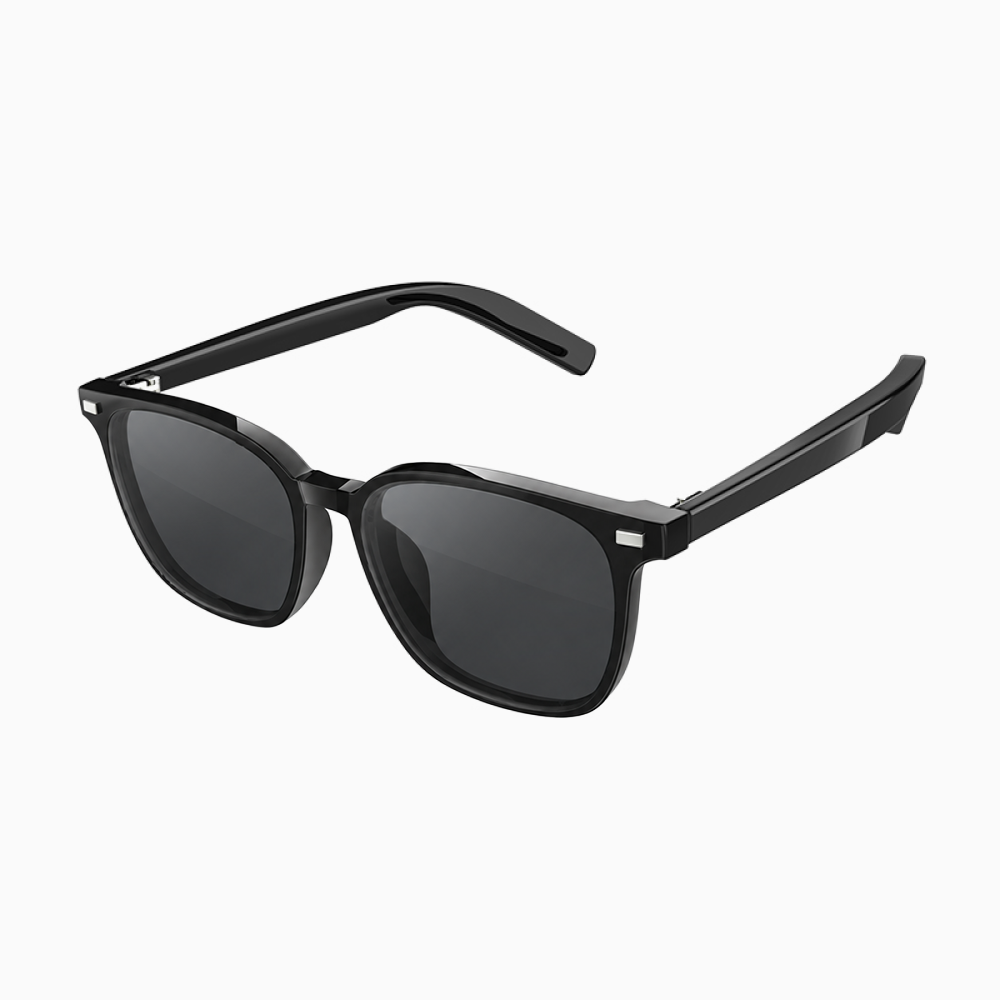
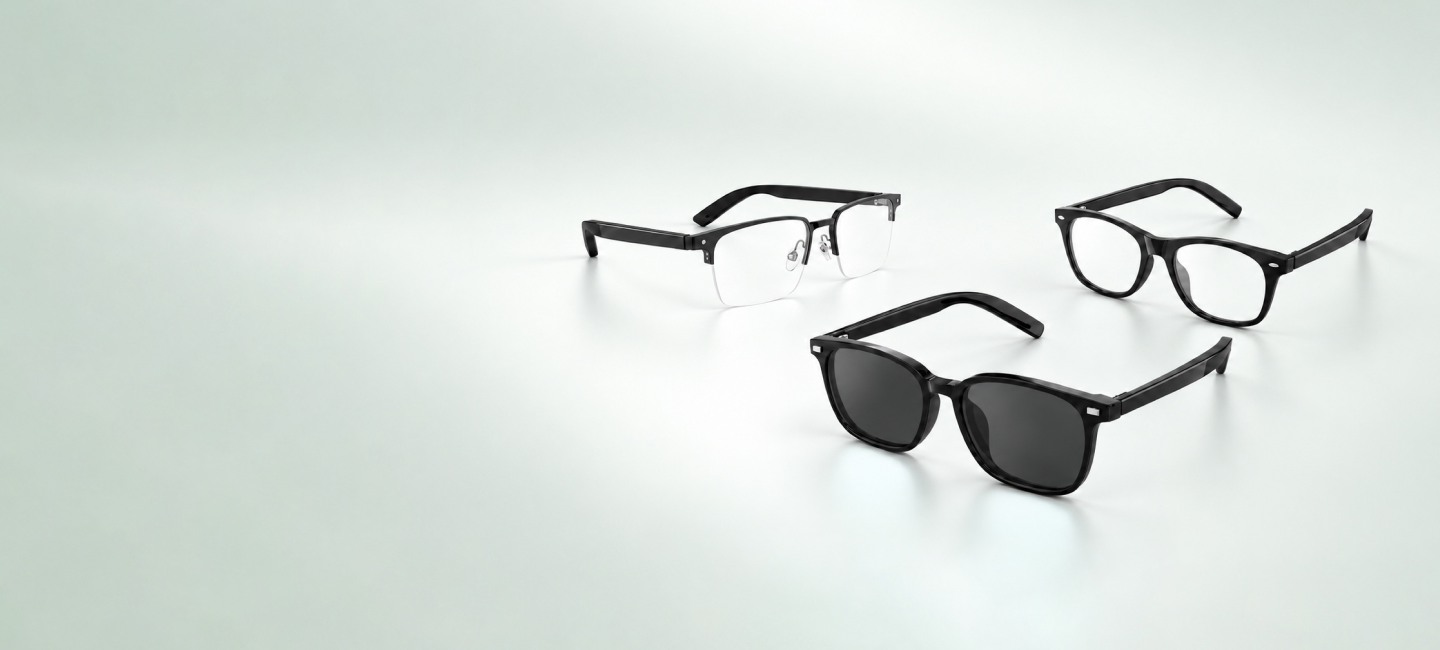
The Shift from Consumer Tech Gadgets to Prescription-First Audio Eyewear
For decades, personal audio and vision correction existed in strictly separate industries. Traditional headphones sealed the ear canal, causing ear fatigue, occlusive discomfort, and severe situational awareness loss in urban and workplace environments. Early smart glasses, conversely, suffered from excessive weight (often exceeding 60 grams), clumsy industrial aesthetic design, and poor acoustic privacy that radiated sound outward to nearby bystanders.
Why Global Procurement Teams are Re-evaluating Smart Frames in 2025
According to research into generative search intent and B2B purchasing queries across North American, European, and Asian markets, buyers no longer evaluate smart glasses merely as "gadgets." Instead, enterprise purchasers, optical chain buyers, and consumer electronics distributors prioritize four non-negotiable criteria: True Optical Weight (<30 grams), Universal Prescription (Rx) Lab Edging Compatibility, Directional Sound Leakage Minimization, and Substantial Standby Battery Life.
This report, authored by the senior engineering and SEO growth director at Vigo Technologies Inc. (Vue Smart Glasses), provides a complete blueprint for global distributors, enterprise procurement directors, and retail buyers seeking high-yield opportunities in the rapidly evolving Open-Ear Audio Eyewear category.