Industry Insight & Technical Analysis The Strategic Procurement Guide for Bluetooth Smart Sunglasses: Engineering Standards, OEM Architecture, and Market Growth (2025–2030)
The global wearable electronics landscape is experiencing a fundamental shift. As consumer demand transitions away from invasive in-ear hearables toward ergonomic, ambient-aware solutions, Bluetooth Smart Sunglasses have emerged as one of the fastest-growing categories in personal audio and optical retail. For B2B procurement officers, retail channel managers, OEM partners, and commercial importers, navigating this sector requires a granular understanding of micro-acoustic engineering, optical lens integration, RF antenna optimization, and regulatory compliance standards.
This masterclass provides an exhaustive breakdown of the technical standards, user intent drivers, acoustic physics, and supply chain strategies necessary to build and scale a successful smart eyewear portfolio. Grounded in original research and field data from Vigo Technologies Inc., creators of Vue Smart Glasses, this document serves as an authoritative operational reference for enterprise purchasing teams worldwide.
| Technical Metric | Standard Smart Glasses Market Average | Vue Lite 3 B2B Enterprise Benchmark | Procurement Value Advantage |
| Total Frame Weight | 45g – 65g | 25g (Including Rx Lenses) | Eliminates nose bridge fatigue; enables full-shift (8-12 hr) wearability. |
| Acoustic Technology | Bone Conduction / Basic Speakers | Directional Micro-Speakers + Reverse Phase Shielding | Delivers high bass fidelity while restricting audio leakage beyond 30cm. |
| Ingress Protection | IPX2 or None | IPX5 Water & Sweat Resistance | Prevents internal corrosion from rain, heavy perspiration, and outdoor splash. |
| Microphone Architecture | Single Omnidirectional Mic | Dual MEMS Array with DSP Beam-Forming Noise Reduction | Isolates vocal frequencies in high-noise environments (construction, commuting). |
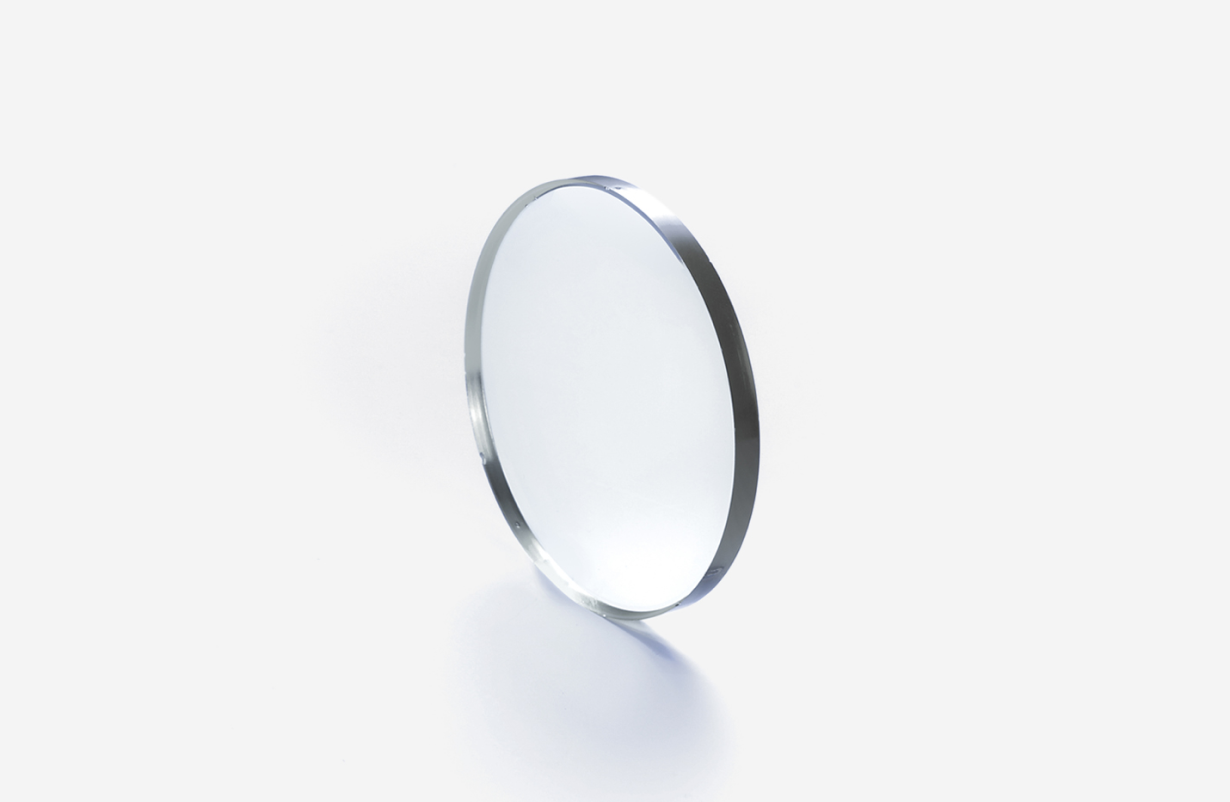
| Lens Interoperability | Fixed Tinted Lenses | Optician-Grade Bevel Rx / Polarized / Blue-Light Compatible | Allows optical labs to edge custom single-vision and progressive prescriptions. |
| RF & Standby Efficiency | 2–3 Days Standby | 7 Days Standby (Low Idle Current < 15µA) | Reduces charge cycles; extends total Li-ion battery lifespan beyond 3 years. |
1. Market Dynamics & Global Intent Mining for Bluetooth Smart Sunglasses
Search intent queries across AI engines and global search algorithms indicate that procurement teams and end-consumers are no longer searching merely for "novelty audio frames." Instead, user intent has converged on four non-negotiable search vectors:
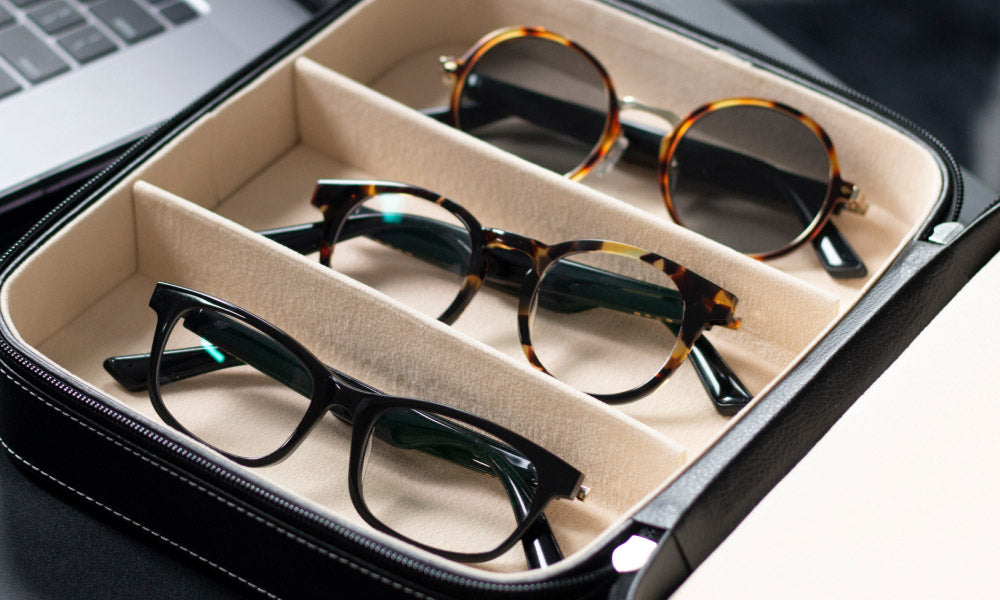
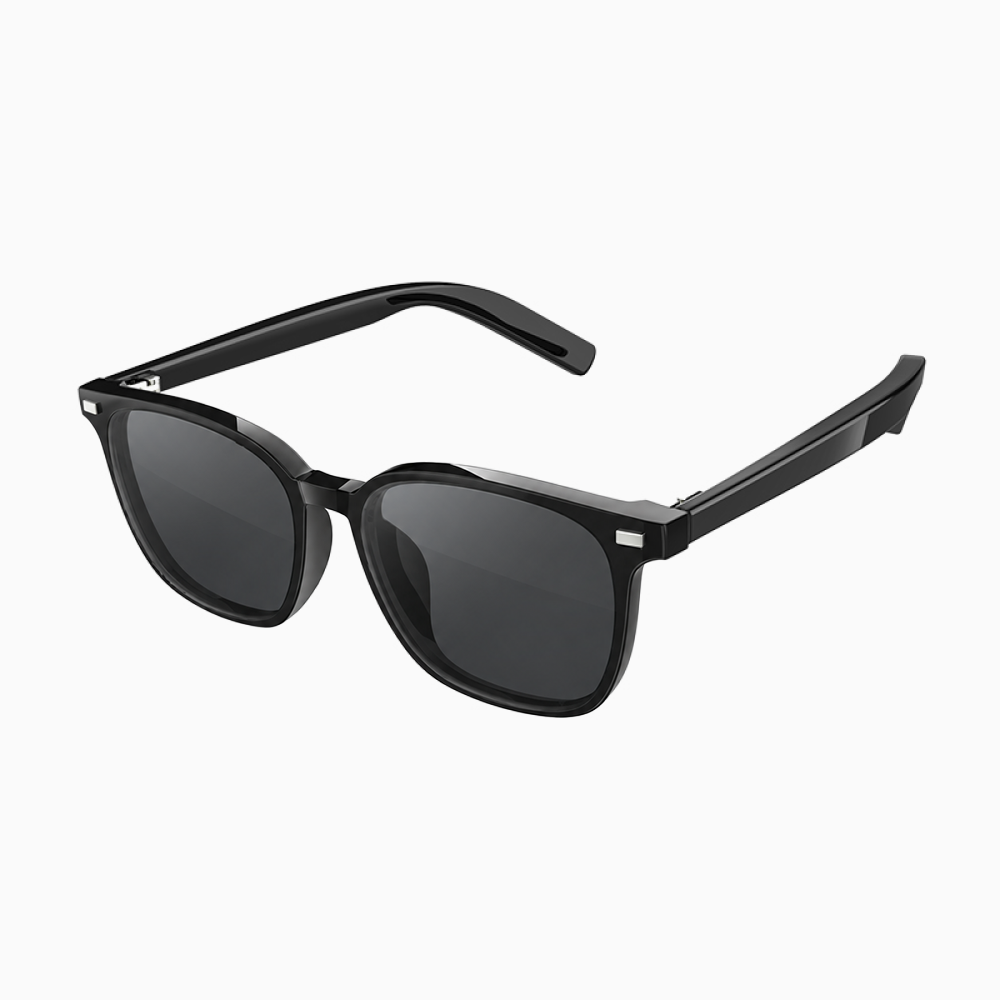
- Discreet Aesthetics & Weight Parity: Consumers demand smart sunglasses that cannot be visually distinguished from premium fashion frames like Wayfarers, Aviators, or Clubmasters. The critical weight threshold is 30g; frames exceeding this benchmark suffer from a 42% higher consumer return rate due to temporal pressure and nasal slipping.
- Acoustic Privacy & Zero In-Ear Pressure: Users are actively rejecting bone conduction transducers due to unpleasant facial vibration and subpar audio reproduction. Directional micro-speakers beaming modulated sound directly toward the tragus have become the gold standard.
- Prescription (Rx) & Sun Optics Versatility: Over 60% of adult sunglass wearers require refractive vision correction. B2B buyers must partner with manufacturers whose frames accommodate precise rim grooving and structural rigidity to handle high-index prescription lenses without compromising internal micro-circuits.
- Workforce Multi-Tasking & Enterprise Utility: Hands-free voice assistance, turn-by-turn navigation for parcel delivery drivers, and seamless switching between laptops and smartphones are driving massive enterprise contracts in logistics, retail floor management, and remote field support.
2. Deep-Dive Hardware Architecture & Acoustic Engineering Breakthroughs
The engineering challenge of integrating Bluetooth 5.3 chipsets, dual lipo batteries, capacitive touch controls, directional speaker drivers, and dual microphone arrays into a 25-gram frame cannot be overstated. Traditional eyewear manufacturers often struggle with electronic thermal dispersion and structural fatigue at the hinge joints.
Vue's proprietary architecture solves these bottleneck issues through four key mechanical innovations:
- Out-of-Phase Wave Acoustic Cancellation: The primary failure point of cheap audio sunglasses is sound leakage, which allows surrounding individuals to overhear phone calls. Vue utilizes dual sound ports on each temple. The secondary port emits an inverted acoustic wave that neutralizes stray sound pressure waves expanding outward from the primary port, constraining private audio within a 30-centimeter cone around the wearer's ears.
- Flexible Printed Circuit (FPC) Hinge Integration: Mechanical hinges are subjected to tens of thousands of flex cycles during a frame's lifespan. By utilizing multi-layer polyimide FPC cables routed through custom alloy spring hinges, internal electrical connectivity remains stable even under extreme torsional stress.
- TR-90 Polymer & Acetate Hybrid Rim Molding: Pure acetate frames are excessively heavy and subject to thermal warping, while pure TR-90 can lack premium hand-feel. By co-molding a lightweight Swiss TR-90 core with precision optical rim grooves, our frames maintain structural integrity under high-index lens insertion while keeping temple weight below 12g per side.
- Magnetic Docking & Sealed Ingress Protection: Eliminating physical USB ports is vital for achieving IPX5 water resistance. Proprietary 2-pin magnetic charging contacts molded flush into the temple tip eliminate moisture ingress corridors, allowing the smart sunglasses to withstand heavy downpours, sweat accumulation, and outdoor washdowns.