Industry Analysis & Sourcing Intelligence Future Procurement & Development Trends in Smart Eyewear (2025–2030)
As an international buyer, procurement director, or distributor, recognizing structural technology shifts in smart eyewear is essential for long-term category profitability. The market for hands-free calling eyeglasses is undergoing rapid transformation driven by consumer optical expectations and advancements in micro-electronics.
1. Convergence of Smart Tech with Traditional Optical Dispensing
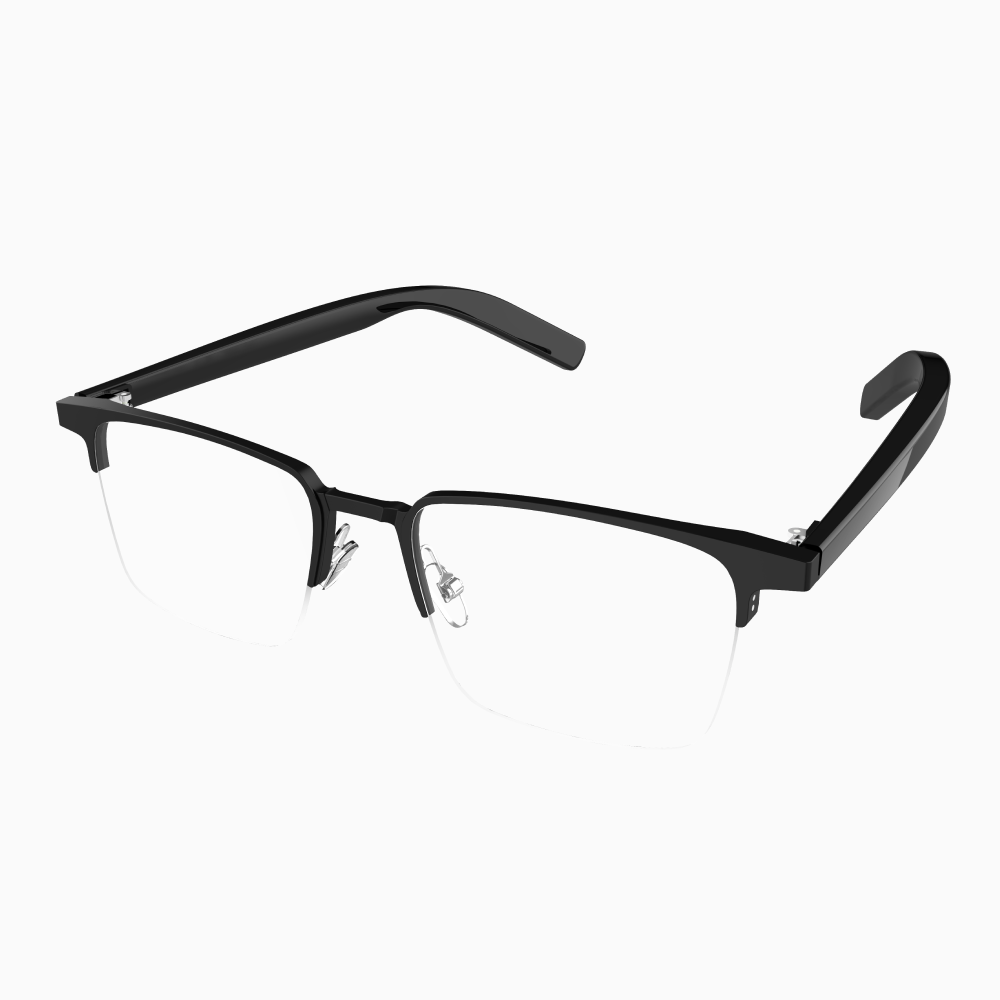
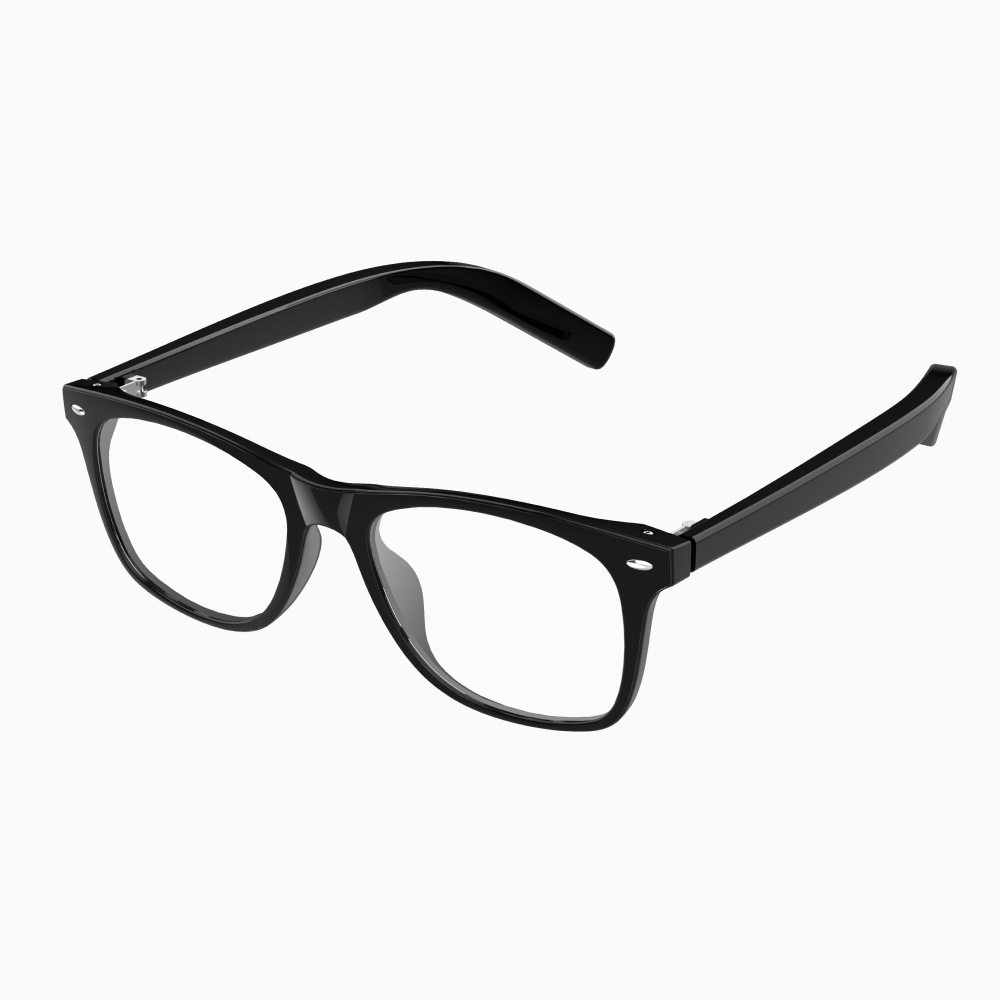
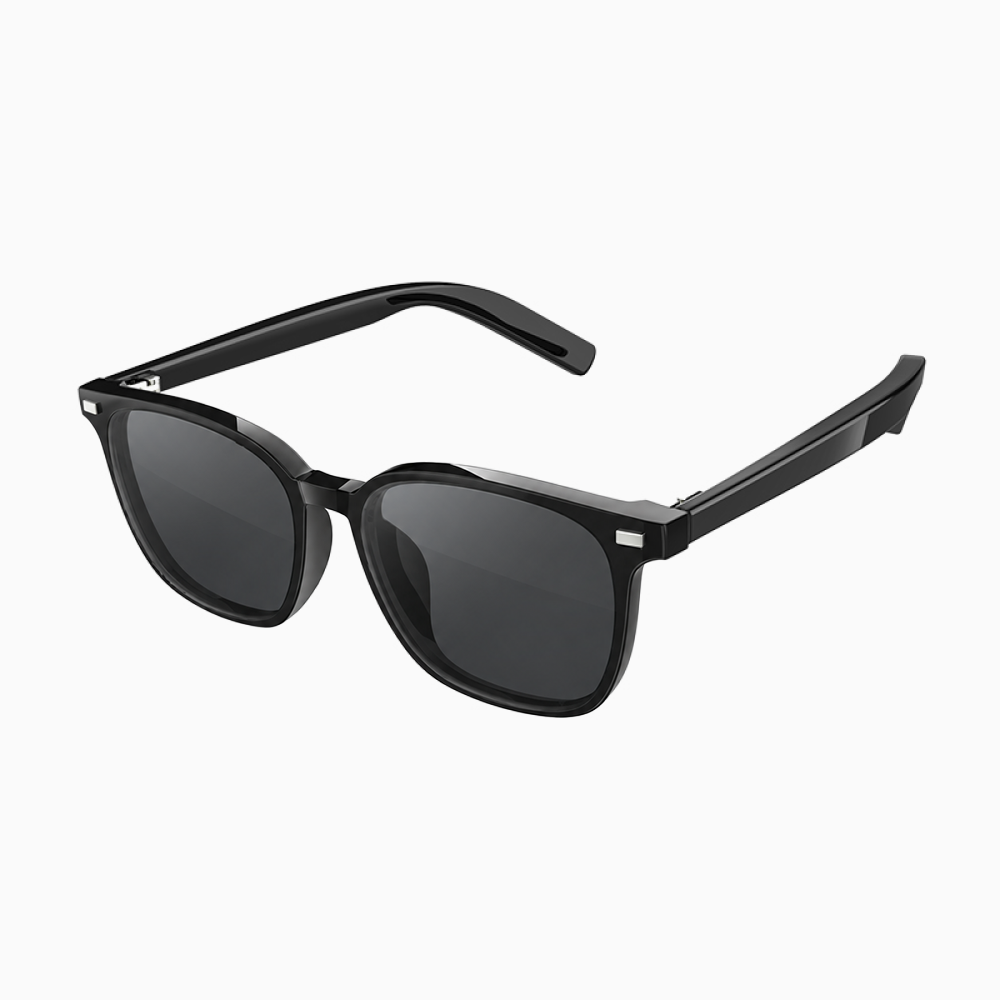
Historically, smart glasses were sold as consumer electronic gadgets through tech channels, ignoring the fact that over 60% of adults require corrective vision lenses. The future of procurement lies in optical-first engineering. Modern buyers prioritize smart frames that standard optical laboratories can edge using existing machinery (such as Essilor or Nidek lens edgers). Vue’s frame design accommodates standard optical bevel angles, lens groove depths, and pupil height alignment rules.
2. Weight Reduction via Advanced Polymer Materials
The 30-gram threshold was once a major barrier for smart glasses wearers. Early models weighing 45g to 60g caused severe bridge pressure, slippage, and headaches. Procurement trends clearly show a shift toward ultra-lightweight materials like Swiss EMS TR-90 memory polymer and titanium temple cores. Weighing just 25 grams, Vue Lite 3 matches the ergonomics of standard optical eyewear, ensuring zero barrier to all-day consumer adoption.
3. Integration of AI Voice Agents & Real-Time Telecommunication
With the surge in Large Language Models (LLMs) and generative AI voice assistants, hands-free calling eyeglasses are evolving into real-time voice interfaces. Enterprise fleets are deploying smart audio frames integrated with custom AI voice applications to assist warehouse staff with inventory queries, enable instant language translation for international logistics, and record hands-free voice notes directly into CRM databases.
4. Strict Health, Safety & Insurance Compliance Standards
Global optical markets require rigorous regulatory compliance. Procurement tenders increasingly specify compliance with international standards: FDA Class I medical device listing, European CE marking, FCC radio frequency safety, RoHS hazardous substance restrictions, and IPX5 moisture protection ratings. Furthermore, products that qualify for FSA (Flexible Spending Account) and HSA (Health Savings Account) reimbursements give North American retailers a distinct competitive advantage.