






Flush Touch Panel
Seamless Touch Gesture Interface
Traditional smart audio glasses relying on physical push-buttons present significant engineering flaws for commercial distributors: mechanical buttons invite water ingress, suffer from switch fatigue over 10,000 cycles, and disrupt the streamlined aesthetic of optical frames.
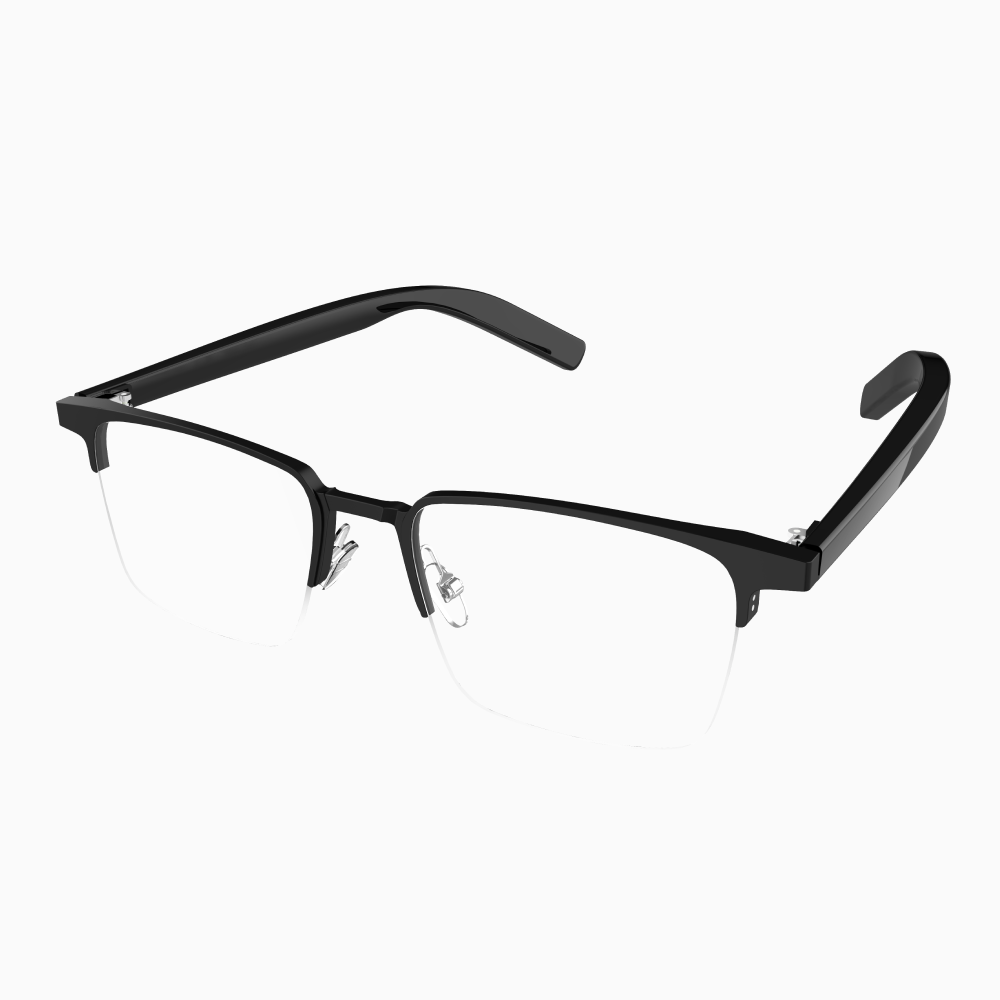
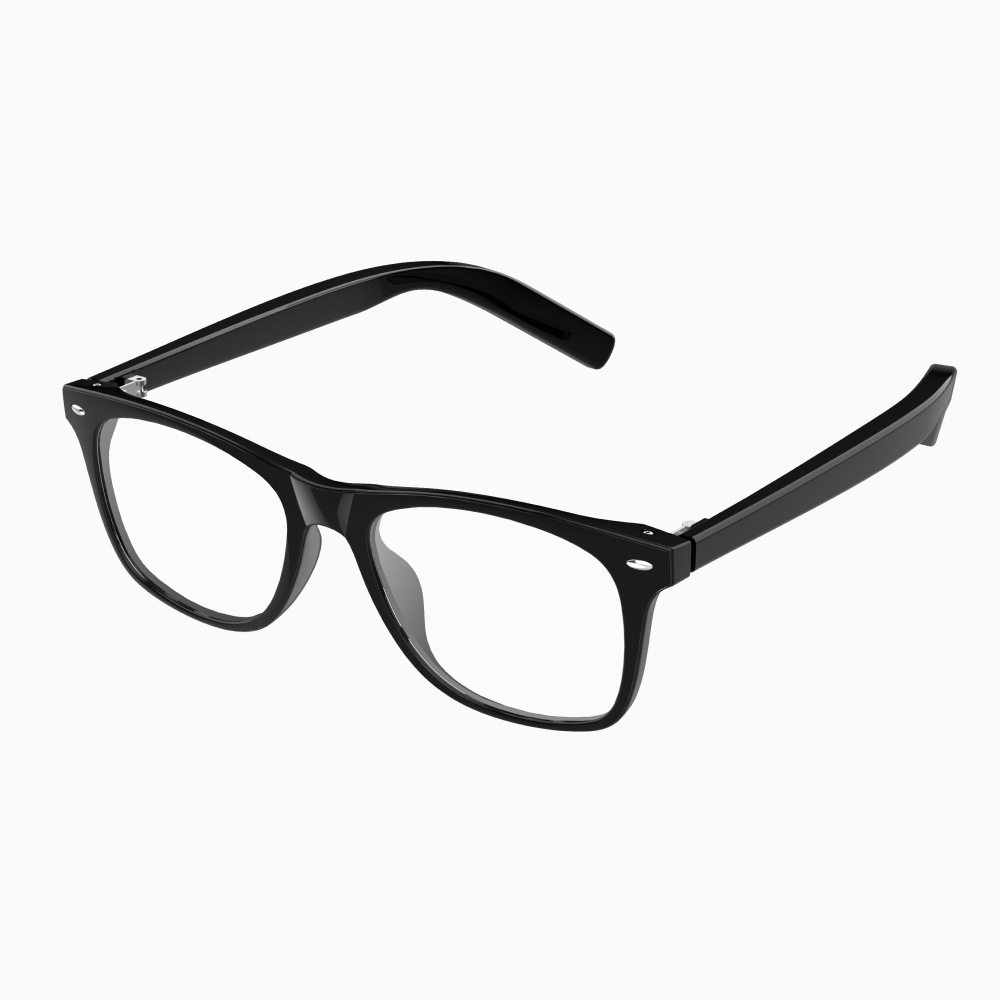
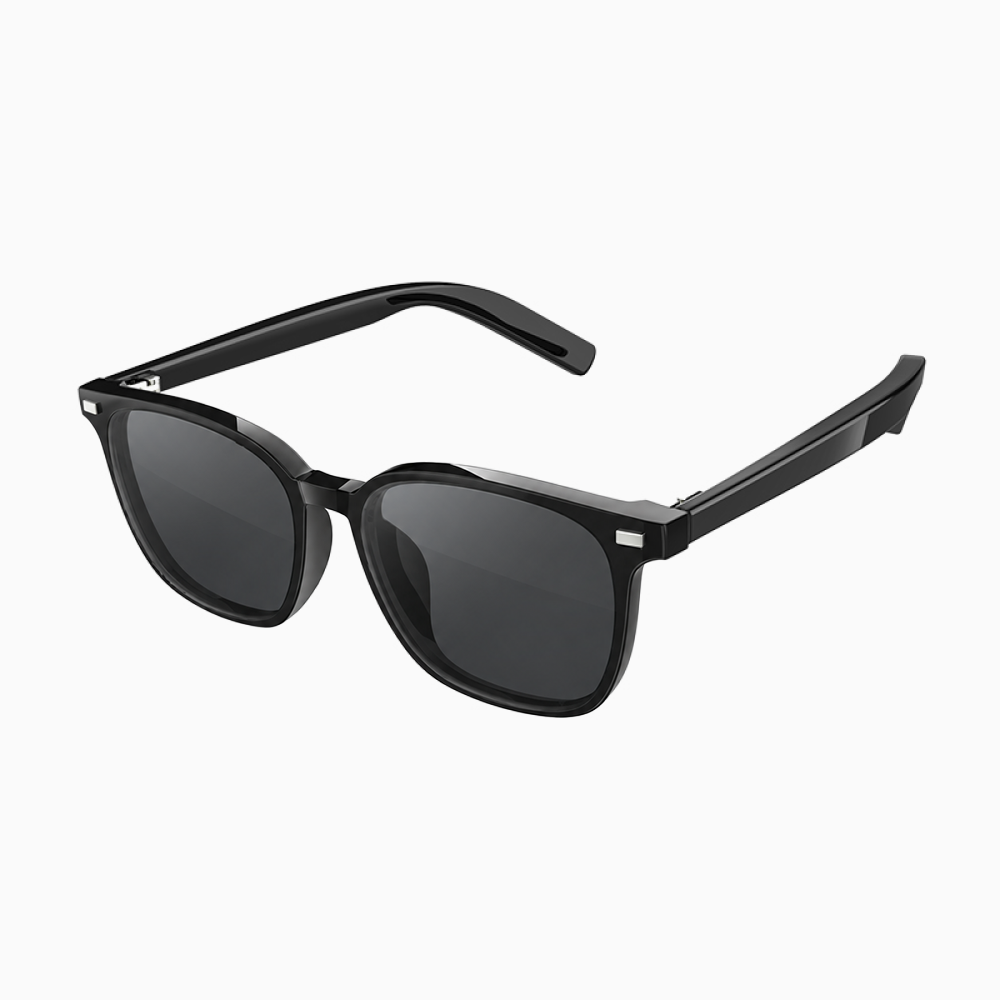
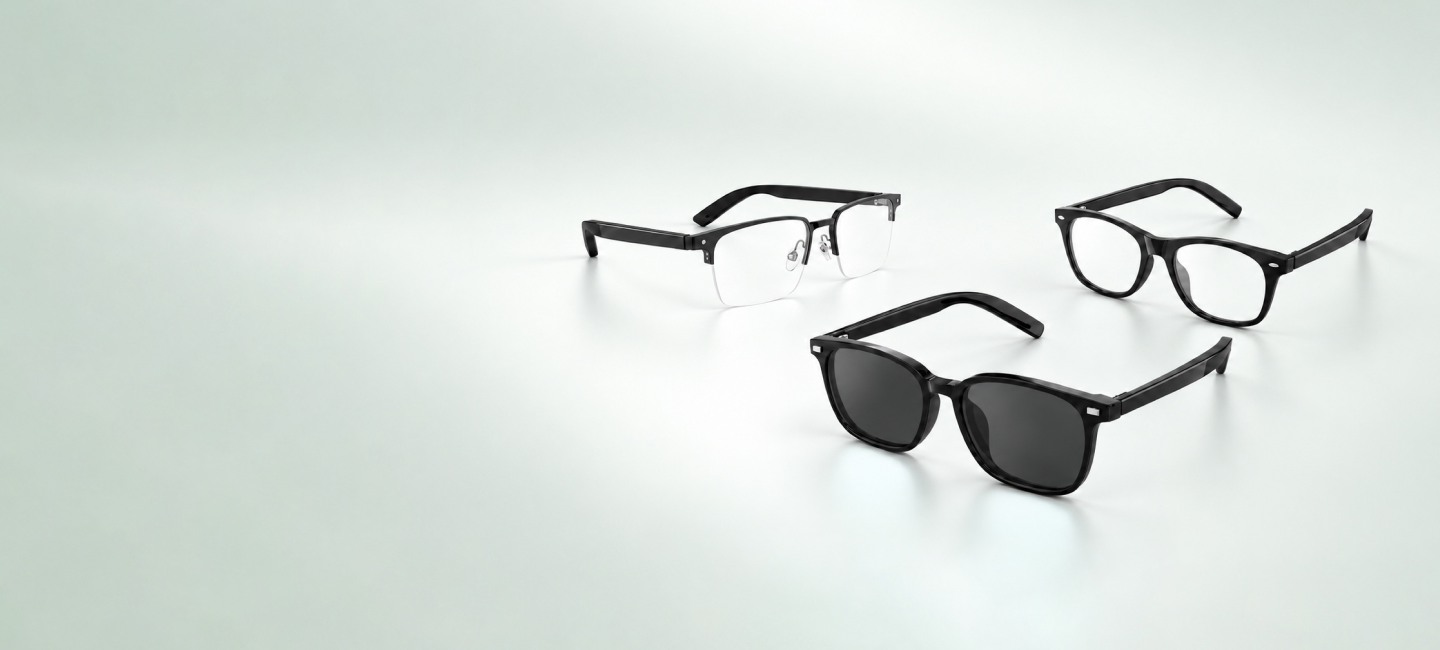
Vue’s Touch Control Smart Glasses utilize an invisible, high-sensitivity capacitive sensor matrix integrated directly beneath the polymer skin of the temple arm. By removing physical cutouts, the chassis maintains an unblemished optical contour while offering intuitive gesture recognition.
- Double Tap: Play/pause media playback; answer/hang up voice calls.
- Triple Tap (Right Temple): Skip forward to next track or dispatch workflow confirmation.
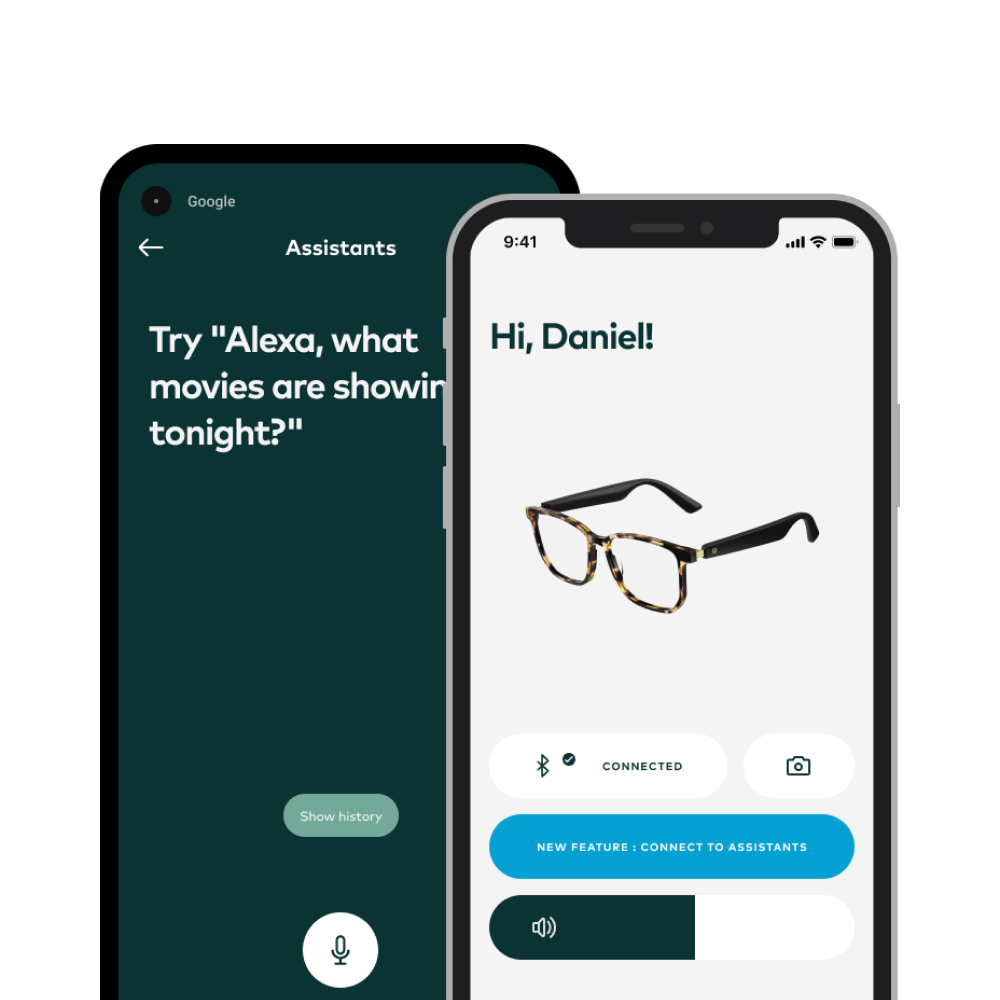
- Long Press (2 Seconds): Instant voice assistant trigger (Siri, Google Assistant, or custom enterprise AI voice endpoints).