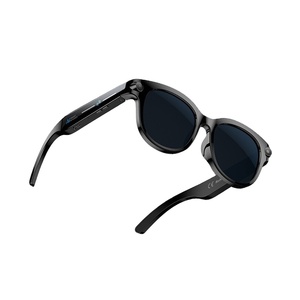
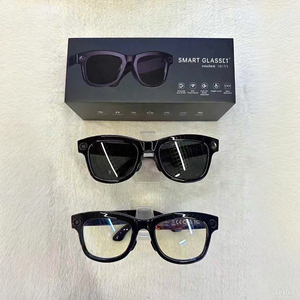
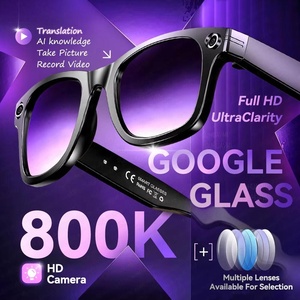
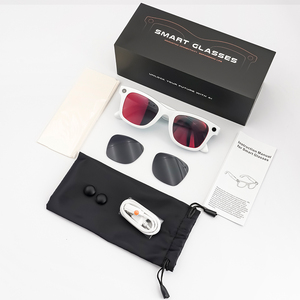
Precision-engineered audio eyewear, AI translation frames, and AR displays customized for Japanese distributors and optical retail groups.
An in-depth guide on leveraging Chinese optical manufacturing hubs (Shenzhen electronics & Danyang frame craftsmanship) to serve Japan's discerning eyewear market.
The global optical market is undergoing a seismic shift. As traditional prescription eyewear converges with advanced micro-electronics, artificial intelligence, and open-ear acoustic engineering, Tokyo-based optical chains, distributors, and technology brands face high pressure to innovate. Establishing direct, reliable manufacturing partnerships with top Chinese OEM/ODM facilities is no longer just a cost-saving measure—it is a critical strategic imperative for securing market share in Kanto’s competitive retail ecosystem.
China accounts for over 70% of the world's eyewear frame production, concentrated heavily in specialized manufacturing clusters: Danyang (Jiangsu) for precision optical lenses and metal craftsmanship, and Shenzhen (Guangdong) for smart wearable micro-electronics and AI camera integration. By bridging these advanced manufacturing ecosystems directly into Tokyo’s high-precision commercial corridors—from Ginza optical flagship stores to Akihabara tech hubs—Japanese buyers can achieve unprecedented speed-to-market while retaining stringent optical quality control.
Direct supply routes from Shenzhen optical-tech parks to Tokyo Narita and Haneda logistical hubs ensure 5 to 7-day express delivery for sample iterations and 30-day fulfillment windows for full OEM production batches, optimized for Japanese seasonal retail cycles.
Every prescription frame and smart eyewear component complies with strict Japanese Industrial Standards (JIS T 7331 / JIS T 7333). Lenses are subjected to rigorous drop-ball impact resistance, anti-reflection coating audits, and hypoallergenic bio-acetate frame evaluations.
Understanding the unique socio-cultural and technological consumer behavior shaping eyewear purchasing decisions across the Greater Tokyo Area.
Tokyo transit regulations and high-density pedestrian zones make traditional noise-canceling in-ear headphones a safety concern during rush hour. Directional open-ear acoustic eyewear allows commuters on the Yamanote Line to stream podcasts and handle calls while remaining aware of station announcements and traffic.
With Tokyo hosting millions of international tourists and foreign professionals annually, smart eyewear with multilingual AI translation and camera object recognition (ChatGPT API integrated) has seen a 180% year-over-year surge in regional retail queries across Shinjuku and Ginza technology boutiques.
Japan’s demographic transition demands specialized optical solutions. Wholesale demand for prescription-ready smart frames accommodating progressive (multifocal) and blue-light filtering lenses has outpaced standard fashion sunglass frames across domestic optical retail networks.
Combining Vigo Technologies Inc. design philosophy with high-capacity factory automation in China to deliver lightweight, prescription-ready smart eyewear.
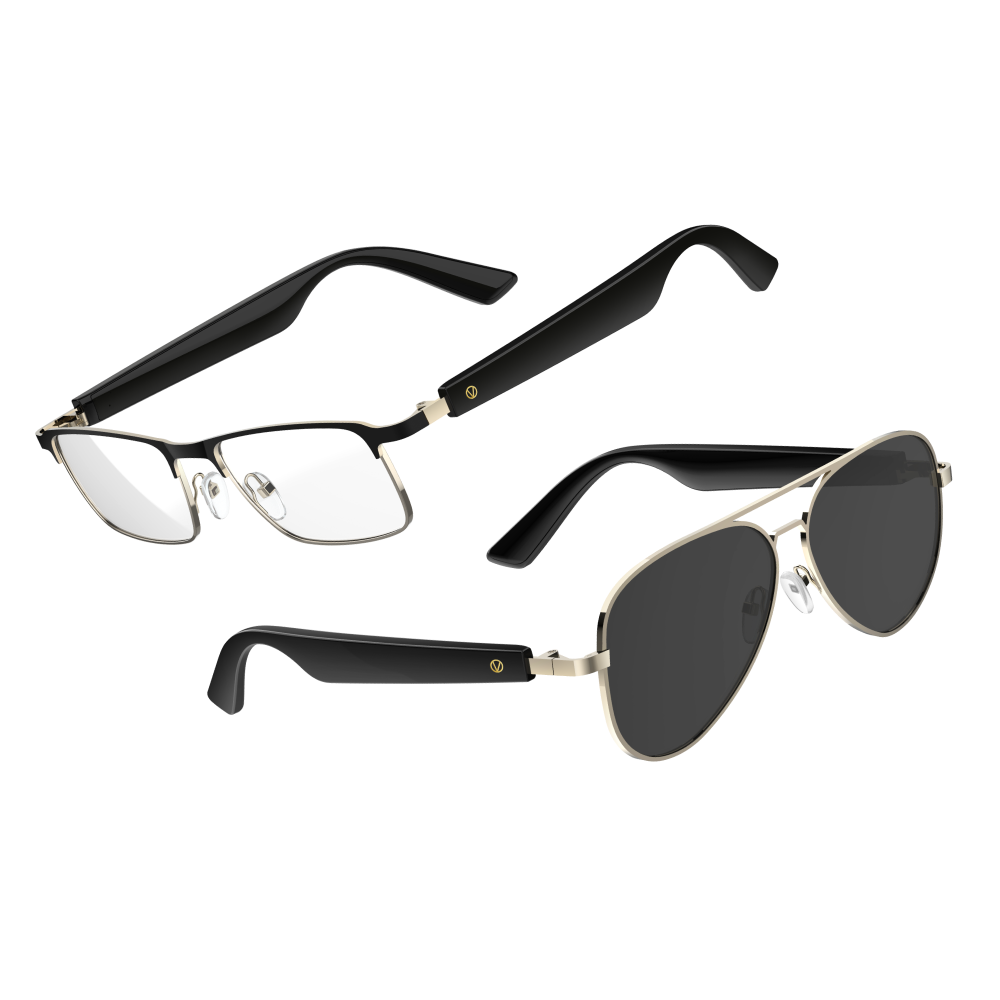
The primary hurdle preventing mainstream consumer adoption of audio smart glasses has historically been weight and acoustic leakage. Through three generations of hardware iterations, our OEM architecture resolves both bottlenecks:
Comparative structural breakdown for optical buyers evaluating standard specs vs. enterprise smart eyewear.
| Technical Metric | Standard Wholesale Frames | Generic Smart Glasses | Vue / Dushan Enterprise Standard |
|---|---|---|---|
| Average Frame Weight | 18g – 22g | 45g – 65g (Bulky) | 25g – 28g (Ultra-Light) |
| Lens Adaptability | Plano & Prescription Rx | Plano Only (Glazing Restrictive) | Full Rx (Single, Progressive, Blue-Cut) |
| Ingress Protection | N/A | IPX2 or None | IPX5 Water & Sweat Resistant |
| Acoustic Leakage Control | N/A | High Ambient Spillover | Directional Micro-Speakers (<10% Leakage) |
| Standby Battery Life | N/A | 4 – 8 Hours | Up to 20 Hours (Magnetic Case) |
| Compliance Certifications | Basic Optical Standard | CE, FCC | JIS, TELEC (Japan), CE, FCC, RoHS, ISO9001 |
Demonstrating high consumer utility in Japan's daily urban, corporate, and recreational workflows.

In Tokyo's fast-paced corporate offices, employees transition seamlessly between Zoom video calls and face-to-face meetings without wearing conspicuous headsets. Integrated noise-canceling dual microphones capture crisp voice input over office chatter while filtering out blue light from digital displays.
Get a Quote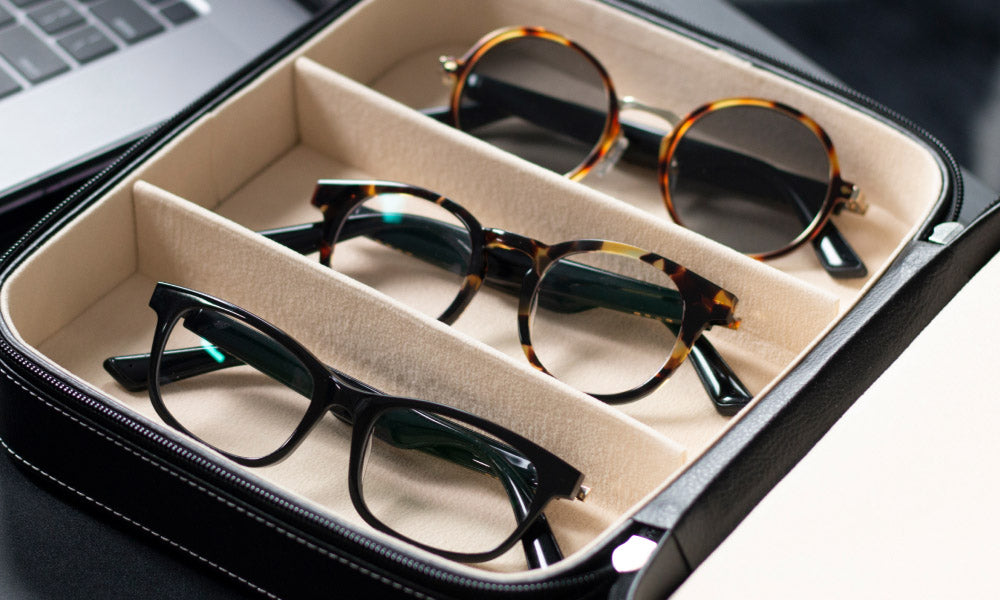
Navigating Tokyo's subterranean stations (Shinjuku, Shibuya) requires constant orientation. Audio smart glasses broadcast real-time GPS navigation instructions directly to the wearer's temples via Bluetooth 5.3, eliminating the safety risk of walking while staring down at a smartphone screen.
Get a Quote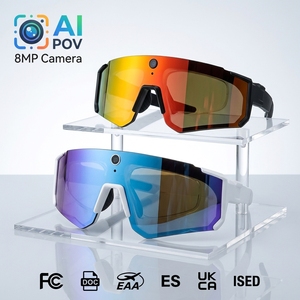
Sports enthusiasts and cyclists require impact-resistant polarized lenses that shield eyes from harsh UV rays while delivering real-time biometric recording, hands-free phone calls, and music playback. IPX5 sweat-proofing guarantees resilience during rainy outdoor rides.
Get a Quote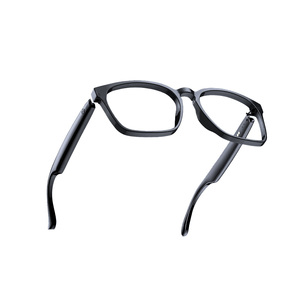
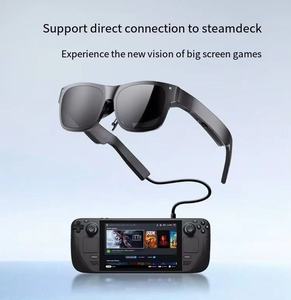
Hotel concierge staff and retail sales personnel equipped with 8MP camera AI smart glasses can instantly translate foreign language documents, menus, and foreign speech in real-time, drastically reducing communication friction with international guests.
Get a QuoteEssential answers covering customs duties, TELEC certification, MOQs, prescription glazing, and OEM branding protocols for Japan.
All wireless smart eyewear entering Japan must comply with the Radio Law (電波法) and obtain TELEC (MIC) certification. Our manufacturing facility handles TELEC testing, certificate generation, and labeling directly prior to shipment, ensuring seamless clearance at Tokyo Customs (Narita/Yokohama).
Yes. Every smart frame we manufacture utilizes standard optical groove beveling. Local Japanese optical chains (such as those in Meguro, Ginza, or Shinjuku) can easily fit single-vision, progressive, photochromic, or high-index (1.67/1.74) prescription lenses into the frames without damaging internal electronic components.
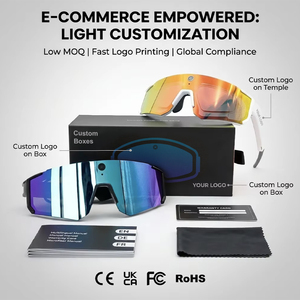
For standard wholesale catalog orders with existing tooling, our MOQ starts at 100 units. For custom OEM/ODM frame development (including custom brand logo laser-etching, proprietary frame colors, and custom packaging), MOQs typically start at 500 units per model.
We execute a 4-stage Quality Control protocol: 1) Incoming Raw Material Inspection for bio-acetate and titanium alloys; 2) SMT Electronics Automated Optical Inspection (AOI); 3) IPX5 Water Ingress & Drop Testing; and 4) 100% Final Manual Inspection verifying hinge alignment, optical axis tolerances, and acoustic resonance.
Sample requests are dispatched within 3 to 5 business days via air express (FedEx/DHL/SF Express), arriving in Tokyo within 48 hours. Mass production orders require 25 to 35 calendar days depending on customization requirements, followed by 3 to 5 days of air freight or 10 days of ocean freight to Yokohama Port.
Scale your optical catalog in Tokyo with lightweight 25g smart frames, AI camera integration, and certified high-yield production line engineering.