As spatial computing, real-time AI translation, and open-ear acoustic engineering converge, optical eyewear is undergoing a generational shift. Global buyers, brand distributors, and institutional optical procurers require verified manufacturing partners capable of balancing sub-30g ergonomic frames, high-yield optical display assemblies, and comprehensive regulatory compliance (CE, FCC, RoHS, FDA Rx suitability). This benchmark paper evaluates top OEM/ODM export standards, upcoming optical procurement trajectories, and premier product platforms for enterprise procurement.
Standard-setting production models integrated with multimodal AI, HD video capture, translation engines, and micro-display technology.
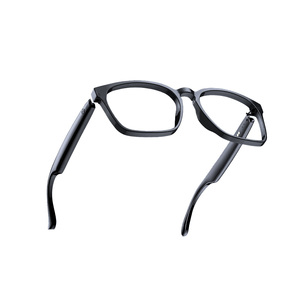
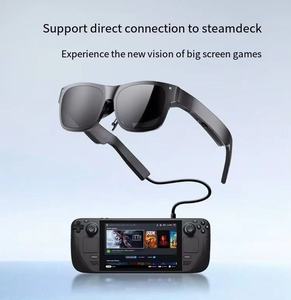
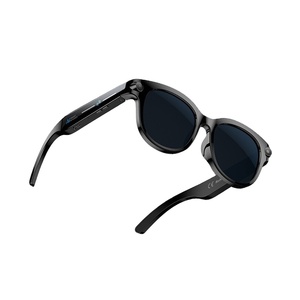
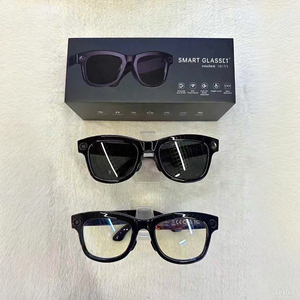
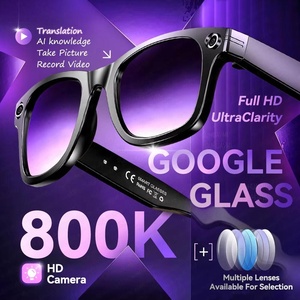
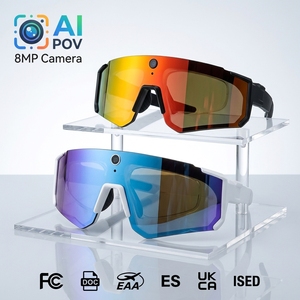
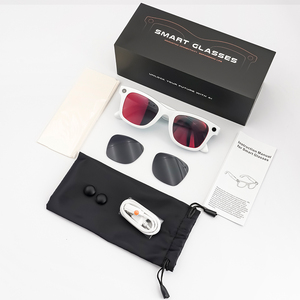

Selecting a certified smart glasses manufacturer requires verifying precision optical tooling capabilities alongside miniaturized SMT electronics assembly lines. Leading industrial exporters maintain strict quality assurance workflows to prevent thermal throttling, optical distortion, and acoustic sound leakage.
Key performance metrics evaluated during factory audits for B2B export readiness:
As institutional buyers, telecommunication carriers, and consumer optics brands scale their wearable portfolios, procurement requirements are shifting from basic audio frames to multimodal AI visual engines.
Future display glasses are moving toward localized vision-language models (VLMs) powered by integrated ChatGPT or proprietary cloud engines. Wearers gain instantaneous object recognition, HUD context overlays, and low-latency live translation without retrieving a phone.
Monolithic display modules (like 215-inch virtual screen equivalent Micro-OLED displays with 120Hz refresh rates) are setting the baseline for personal entertainment and enterprise field assistance. Diffractive optical waveguides allow sleek daily wear profiles.
B2B buyers favor factory platforms designed for immediate prescription lens swapping. Standardized rim grooves and detachable magnetic optical inserts enable optical chains to service vision-corrected customers effortlessly.
Understanding the hardware pillars separating basic smart eyewear from industrial-grade AR/AI display systems.
Dual open-ear micro speakers built directly into the temple stems project audio waves directly toward the listener's ear canal while cancelling external radiation.
Integrated SoC chipsets supporting dual Bluetooth 5.3 mode, background noise suppression DSPs, and instant activation for AI voice assistants.
Eliminating exposed USB ports prevents moisture ingress and sweat damage, maintaining true IPX5 water resistance during sports and outdoor use.
Key answers for international importers, optical distributors, and private-label buyers evaluating display glasses factories.