Select OEM/ODM wearable hardware equipped with open-ear directional audio, Micro-OLED spatial optics, 8MP HD video recording, and ChatGPT LLM cloud connectivity.
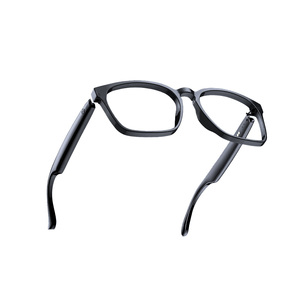
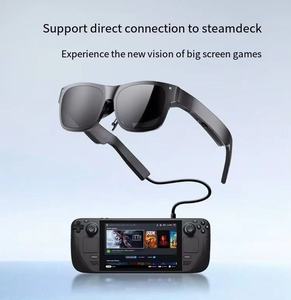
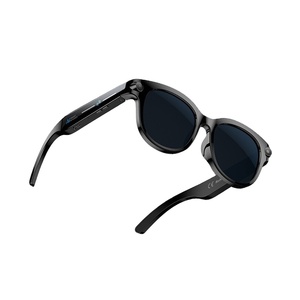
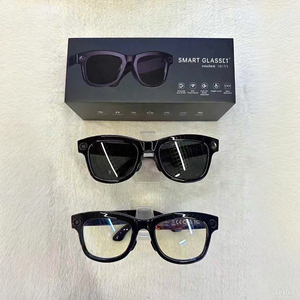
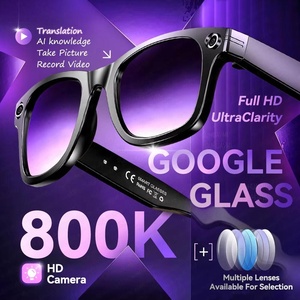
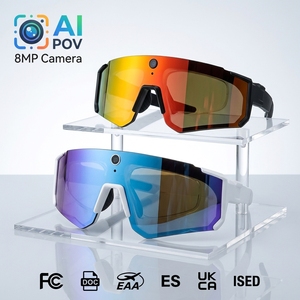
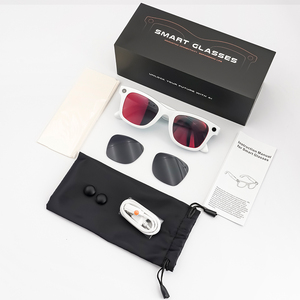
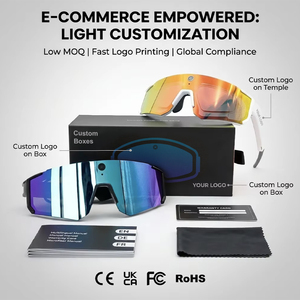
The global augmented reality (AR) and smart eyewear supply chain has crossed a critical threshold. What was once dominated by bulky proof-of-concept prototypes has morphed into high-yield, aesthetic, prescription-ready smart frames weighing under 30 grams. For B2B procurement officers, enterprise buyers, and optical brand owners, selecting a verified manufacturer requires evaluating technical parameters far beyond simple plastic injection molding.
Contract manufacturing in this domain now sits at the intersection of three highly complex industrial verticals: micro-display optoelectronics (waveguides and Micro-OLED engines), precision ophthalmic glazing (Rx prescription lens cutting and blue-light/polarized coatings), and edge-computing hardware assembly (MEMS microphones, dual-speaker acoustic phase control, and integrated low-power AI SoCs).
Information Gain Benchmark: Modern smart glasses procurement is no longer driven purely by bill-of-materials (BOM) cost reduction. Leading enterprise brands evaluate factories based on optical waveguide alignment tolerances (<2 arcminutes), acoustic sound leakage reduction at 60dB playback, and cross-border regulatory compliance (FDA Class I, CE Medical, FSA/HSA insurance eligibility).
Leading tier-1 manufacturing facilities (such as Vigo Technologies Inc. and specialized partner foundries) have restructured their SMT (Surface Mount Technology) assembly lines to incorporate ISO Class 5 cleanrooms. This ensures optical engines can be bonded to diffractive or refractive optical waveguides without ambient micro-particle contamination.
When auditing top AR glasses factories, brand managers must inspect four foundational manufacturing competencies. A breakdown of these engineering pillars illustrates how modern factories maintain high yield rates while reducing RMA (Return Merchandise Authorization) metrics below 0.6%.
Unlike standard Bluetooth earphones that plug into the ear canal, smart eyewear relies on miniature directional speakers mounted inside the temples. Top factories utilize inverse acoustic phase cancellation technology. Downward-firing micro-transducers project audio directly toward the wearer's tragus, while reverse-phase sound vents cancel out horizontal acoustic spillover. This ensures privacy during sensitive business calls even in quiet office environments.
To achieve seamless interaction with cloud AI models (such as ChatGPT, Google Gemini, and proprietary translation engines), frames are fitted with noise-canceling MEMS microphone pairs. Advanced factory testing includes wind-tunnel simulations and ambient noise injection (up to 75dB) to guarantee voice-pickup clarity for real-time translation and voice assistant activation.
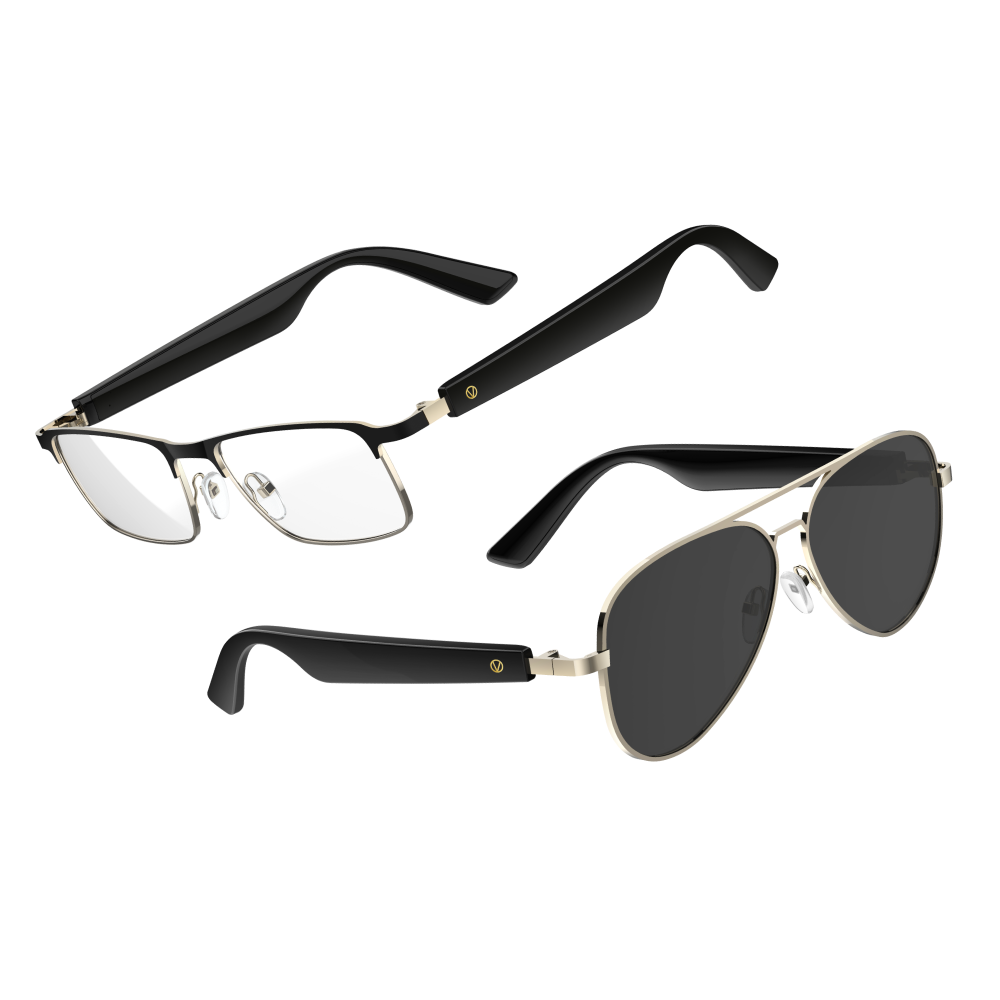
Frames engineered with standardized lens grooves accepting single-vision, progressive, blue-light blocking, photochromic, and polarized prescription lenses from standard optical lab edgers.
Custom magnetic pogo-pin interfaces replace legacy USB ports, sealing temple cavities against moisture intrusion and securing IPX5 water resistance for outdoor cycling and running.
Crafted from Swiss-imported TR90 memory polymer and aerospace-grade titanium hinges. Weight distribution is biased toward the ear curve (60:40 ratio) to eliminate nose-bridge fatigue.
As major tech conglomerates shift consumer expectations toward unobtrusive spatial computing, wholesale buyers must align their procurement strategies with four key evolutionary trends governing smart factory production lines.
Micro-OLED screens (found in display glasses like the Air Plus AR) dominate the virtual 215-inch theater market. However, for everyday outdoor navigation, factories are transitioning to monochrome green and RGB Micro-LED engines paired with surface relief diffractive waveguides, reaching peak brightness exceeding 3,000 nits.
Future production runs (like the 2026 AI Smart Glasses series) integrate ultra-low-power neural processing units (NPUs). These run quantized offline language models directly on the frame, slashing audio translation latency from 1.5 seconds down to under 200 milliseconds without relying on cellular data connectivity.
Modern consumers view smart glasses as vision corrections tools first and tech gadgets second. Reliable manufacturers partner directly with rx optical labs, ensuring frames comply with FSA (Flexible Spending Account) and HSA (Health Savings Account) insurance reimbursement requirements.
Additionally, green manufacturing mandates are pushing factories to adopt bio-based acetate materials, lead-free SMT soldering, and modular battery replacements. Frame designs with user-swappable magnetic battery pods allow end-users to refresh worn cells without replacing the optical assembly, dramatically extending product lifecycles and lowering warranty reserves for distributors.
To assist sourcing teams in mapping their product tiering (Value, Mid-Tier AI, High-End AR), the following matrix outlines standard factory engineering benchmarks across primary smart frame categories.
| Feature Category | Audio-Only Smart Frames | AI Camera & Translation Glasses | Micro-OLED AR Display Glasses |
|---|---|---|---|
| Primary Target Application | Daily office calls, audiobooks, Rx eyeglasses | Content recording, real-time translation, AI assistant | 3D cinema, gaming, virtual multi-monitor setup |
| Average Frame Weight | 25g – 29g | 33g – 42g | 75g – 85g |
| Display Technology | N/A (Standard / Rx Optical Lenses) | N/A or Micro-HUD Status Indicator | Dual Micro-OLED (1080P per eye, 120Hz) |
| Camera Architecture | None | 8MP CMOS (EIS Image Stabilization, 1080P Video) | Optional Spatial Tracking Cameras |
| Battery Life (Active Use) | 6 – 8 Hours Audio Playback | 2 – 4 Hours Video/AI Translation | 3 – 5 Hours Continuous Display (Host Powered) |
| Ingress Protection | IPX5 Waterproof | IPX4 Weather Resistant | IP54 Indoor / Commute Rated |
| OEM Customization MOQ | 500 Units / Shape | 1,000 Units / Colorway | 500 Units / SKU |

Navigating Asian manufacturing hubs requires separating trading companies from actual hardware factories. Certified original design manufacturers (ODMs) offer complete full-stack control over both firmware and mechanical tooling:
Answers to common supply chain, engineering compliance, and manufacturing questions raised by global distributors and brand managers.
Tier-1 factories utilize automated optical inspection (AOI) stations integrated directly into the cleanroom line. Laser collimators measure MTF (Modulation Transfer Function), spatial distortion, and angular alignment errors down to the sub-arcminute level before fixing waveguides into the frame frame chassis with UV-curable optical adhesives.
Yes. Premium smart eyewear frames (such as the Vue Lite and SNT series) feature standard optical lens grooves with standardized bevel angles (typically 45 degrees). Any certified optician or local optical lab can trace the frame eyewire using standard 3D patternless edgers and fit single-vision, bifocal, or progressive lenses into the frames without damaging internal electronics.
Factories employ dual-mic directional wave-guiding combined with acoustic phase cancellation chambers. The speaker driver is positioned directly above the ear canal angled downwards, while secondary acoustic ports on the top surface vent inverse-phase audio waves to cancel sound traveling outward laterally.
Standard factory MOQs for silk-screened temple logos or laser-etched hinges start at 500 units. Custom retail gift box packaging, branded leather carrying cases, and customized companion app splash screens typically carry an MOQ of 1,000 units with a production lead time of 25 to 35 business days following sample sign-off.
Ingress protection is achieved by encapsulating temple PCBs in hydrophobic nano-coatings (such as P2i technology) and installing silicone O-rings around micro-speaker cavities and touch sensor pads. Flexible ribbon cables traversing frame hinges pass through sealed rubber grommets to prevent moisture ingress during heavy sweating or rainfall.
Yes, provided the manufacturer is registered as a medical device facility (e.g., FDA registered in the US or CE registered in Europe). When fitted with corrective prescription lenses, smart eyewear qualifies under standard vision care plans, and itemized factory invoices can be submitted by consumers for out-of-network FSA/HSA reimbursement.
Partner with audited AR glasses manufacturers. Request factory direct catalogs, white-label OEM price sheets, technical spec sheets, and engineering evaluation samples.
Get Catalog