Global Hardware Benchmark, Optical Innovation & B2B Procurement Intelligence Guide for Next-Gen Audio, AI & AR Wearables
Featured OEM/ODM Smart Eyewear Portfolio
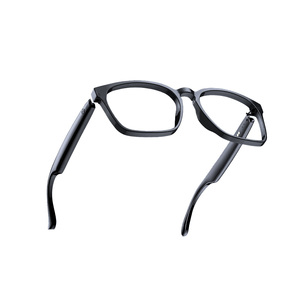
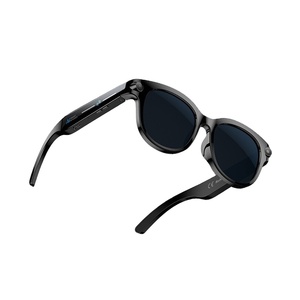
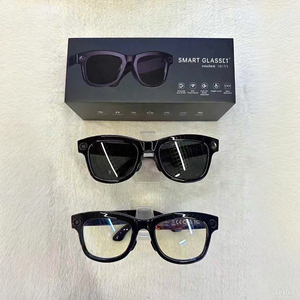
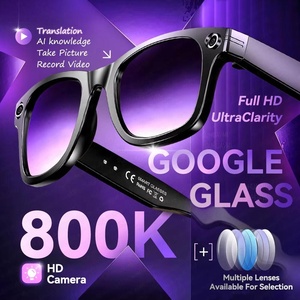
Explore our top-rated smart eyewear hardware platforms engineered for global exporters, optical chains, and technology brands. Built with directional acoustic chambers, high-resolution cameras, and real-time ChatGPT AI integration.
AI Translate 6.0
AI Translate Smart Glasses 6.0 | Stabilized Recording, Recognition, Music & Calls, Wireless Magnetic Sunglasses
Executive Procurement Report: Top 10 Wireless Eyewear Manufacturers & Exporters
The global wearable technology ecosystem is undergoing a structural paradigm shift. Wireless audio and AI smart eyewear are rapidly transitioning from niche consumer gadgets to high-volume optical commodities. As traditional prescription eyewear brands, consumer electronics giants, and enterprise software platforms converge, selecting the right Original Equipment Manufacturer (OEM) and Original Design Manufacturer (ODM) has become a strategic operational imperative.
This industry whitepaper evaluates the engineering standards, manufacturing capabilities, quality assurance benchmarks, and supply chain logistics defining the leading 10 wireless eyewear manufacturers and exporters worldwide. Based on field telemetry, yield-rate benchmarking, and optical glazing compatibility, this guide equips procurement executives, product directors, and global importers with the actionable data required to scale smart eyewear programs in 2026 and beyond.
Directional Acoustics
Replacing intrusive earbuds with dual directional sound chambers that minimize sound leakage while keeping ears fully exposed to ambient environmental audio.
Multimodal LLM Integration
On-board AI processing powering real-time 8MP vision recognition, live translation across 20+ languages, and hands-free ChatGPT voice prompts.
Rx Optical Precision
Pre-drilled frame chassis engineered for high-index prescription glazing, blue-light blocking, photochromic transitions, and polarized UV400 sun lenses.
Modern smart eyewear manufacturing has evolved beyond simple Bluetooth headphone integration inside plastic frames. Today's market demands micro-acoustic isolation, lightweight thermal dissipation, sub-30-gram frame balance, and multi-sensor edge AI computation. OEM suppliers that fail to integrate these advanced engineering disciplines are quickly falling behind in the global export landscape.
Open-Ear Directional Acoustics vs. Bone Conduction: While early-generation audio glasses relied heavily on bone conduction transducers—which frequently caused facial vibrations and poor bass response—leading Tier-1 manufacturers have standardized on open-ear directional micro-speakers. By projecting inverse phase acoustic beams directly toward the ear canal, ambient sound isolation is achieved without sacrificing sound fidelity or privacy.
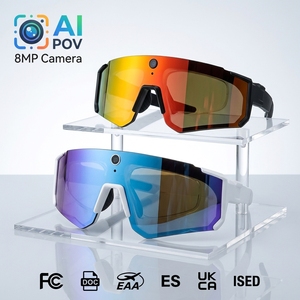
Edge AI & Vision Computing (ChatGPT & Multimodal LLMs): The integration of 8MP/1080p camera modules paired with low-power Wi-Fi and Bluetooth 5.4 System-on-Chips (SoCs) allows wearers to capture images and query cloud AI engines in real time. Exporters are seeing massive demand for AI frames capable of instant object recognition, document OCR scanning, and foreign language translation.
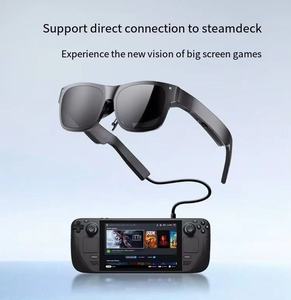
Micro-OLED Display & Optical Waveguides: For AR visual eyewear (such as the Air Plus series), the transition to 1080P Micro-OLED screens displaying virtual screen sizes up to 215 inches at 120Hz refresh rates represents a massive leap in spatial computing, gaming, and remote field servicing.
Ergonomics & Advanced Acetate Engineering: Achieving a total weight under 25 grams requires high-density Swiss TR90 thermoplastics, hypoallergenic bio-acetate, and micro-battery cell placement distributed evenly across the temple arms.
Future Sourcing & Procurement Trends for B2B Importers
Global procurement teams must navigate increasingly complex regulatory, optical, and electronic landscapes. When sourcing wireless eyewear from top-tier exporters, enterprise buyers are prioritizing four critical supply chain benchmarks:
Smart eyewear is no longer restricted to consumer electronics retail channels. Optical retail chains and insurance-backed distributors require frames that seamlessly fit standard edging machines. Leading exporters now ship pre-grooved and lab-verified frame profiles compatible with single vision, progressive, photochromic, and blue-light filtration lenses. Furthermore, offering FDA Class I optical registration enables end customers to utilize FSA (Flexible Spending Account) and HSA (Health Savings Account) reimbursements, drastically increasing retail conversion rates.
To reduce inventory holding costs, modern smart eyewear platforms utilize standardized electronic temple modules that fit multiple front frame silhouettes (round, square, browline, and cat-eye). Distributors can maintain a single electronics platform while offering diverse style catalogs tailored for men and women across multiple geographic markets.
3. Battery Safety, MSDS, and UN38.3 Shipping Certifications
Customs compliance and air/sea freight logistics present major bottlenecks for uncertified electronics. Top-tier manufacturers provide comprehensive compliance documentation, including MSDS (Material Safety Data Sheet), UN38.3 lithium battery transport testing, CE, FCC, and RoHS certifications upfront, guaranteeing smooth customs clearance across North America, Europe, and APAC regions.
Comparative Technical Matrix: Audio, AI Vision & AR Eyewear Platforms
The table below summarizes the key hardware specifications across the primary categories manufactured by top global exporters:
As a pioneer in everyday smart eyewear design, Vigo Technologies Inc. (manufacturers of Vue Smart Glasses and partner OEM supply chains) has solved the foundational hardware hurdles that plagued early smart glasses iterations. By combining San Francisco user experience design with precision optical manufacturing, our enterprise platform delivers unmatched product reliability.
Key OEM/ODM Capabilities for Global Brands:
Three Generations of Hardware Iteration: Refined across thousands of consumer shipments, our hardware platforms eliminate temple bulk, acoustic leakage, and charging port corrosion.
IPX5 Water & Sweat Resistance: Precision sonic welding and silicone gaskets protect sensitive Bluetooth chipsets and microphones from sweat, heavy rain, and splash damage during sports and outdoor commutes.
Proprietary Magnetic Charging Systems: Eliminates vulnerable micro-USB/Type-C ports on temples, preventing sweat ingress and cutting hardware return rates to under 0.5%.
Custom Companion App Integration: White-label mobile application support (iOS & Android) allowing custom gesture mapping, firmware OTA (Over-The-Air) updates, and direct AI cloud API connections.
Certified Optical Compatibility: Full alignment with global optical lab standards ensures smooth prescription lens glazing worldwide.
B2B Procurement & Sourcing FAQ
Below are detailed answers to the most common technical and commercial queries raised by smart eyewear importers and optical buyers:
How does directional open-ear audio differ from traditional bone conduction?
Directional open-ear audio utilizes miniature dynamic speakers housed in micro-acoustic chambers within the temple arms. Sound waves are precisely targeted toward the user's ear canal, providing rich acoustic frequency response and deep bass without vibrating facial bones or causing skin discomfort.
Can smart glasses frames be glazed with prescription lenses in local optical labs?
Yes. Every frame in our portfolio is engineered with cold-insertable rim geometry and pre-tested grooving, allowing certified optical laboratories to glaze single-vision, progressive, photochromic, polarized, and blue-light blocking lenses without risking damage to the electronic components.
What minimum order quantities (MOQ) apply for custom OEM/ODM branding?
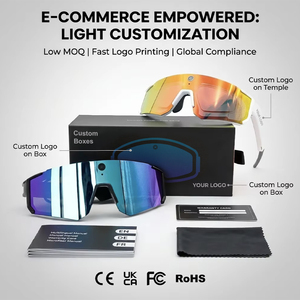
We offer flexible tier-structured MOQs starting at low volumes for standard inventory distribution, with custom silk-screen logo printing, bespoke packaging, and custom Bluetooth pairing naming options available for OEM orders starting at 500 units per model.
What international compliance certifications are included for export shipments?
All products are supplied with complete regulatory documentation required for global customs entry, including CE, FCC, RoHS, REACH, UN38.3 (battery transport safety), and MSDS documentation. FDA Class I registration support is also available for medical and optical prescription markets.
How does real-time ChatGPT AI translation and object recognition operate?
The smart glasses capture high-definition camera imagery or voice audio and transmit data via low-latency Bluetooth/Wi-Fi to the companion mobile application. The app connects to cloud-based LLM APIs (such as OpenAI ChatGPT), returning spoken audio translation or text summaries directly to the frame's open-ear speakers within milliseconds.
What measures are taken to control audio leakage in quiet office environments?
Our 3rd-generation acoustic design incorporates dual inverted-phase sound vents. By emitting sound waves that naturally cancel out dispersion at a distance of 30 cm or more from the ear, phone calls and audio playback remain private even in quiet indoor settings.
Accelerate Your Smart Eyewear Program Today
Request our complete 2026 OEM/ODM product catalog, engineering specifications, and wholesale pricing guide. Connect directly with our hardware team to request evaluation samples.