Global Procurement Whitepaper 2026: OEM/ODM Sourcing, Smart Audio Integration, TAC Optical Standards, and Supply Chain Benchmarks
The global wholesale polarized eyewear ecosystem is undergoing a dramatic structural transformation. Driven by shifts in consumer preferences toward outdoor active lifestyles, premium eye protection, and the rapid convergence of prescription optics with smart wearable technology, international buyers require far more than basic frame aesthetics. Modern OEM/ODM procurement strategies demand rigorous evaluation of TAC (Triacetate Cellulose) versus Polycarbonate polarized lens physics, ISO 12312-1 spectral transmittance compliance, automated frame assembly yield, and high-tech integration of Bluetooth open-ear acoustics. This authoritative B2B report provides an enterprise-level analysis of the Top 10 Polarized Sunglasses Suppliers & Exporters, delivering actionable procurement intelligence, industry forecasts, and supplier capability matrices for global importers, brand owners, and retail distributors.
Featured Smart Polarized Eyewear Procurement Selection
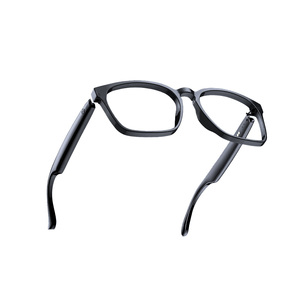
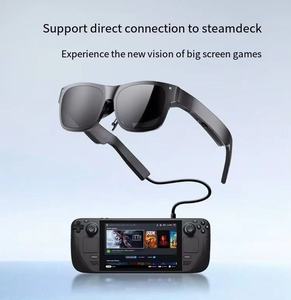
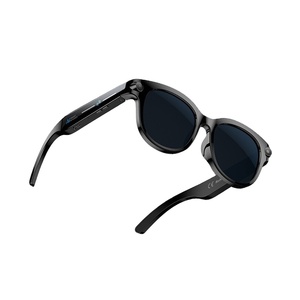
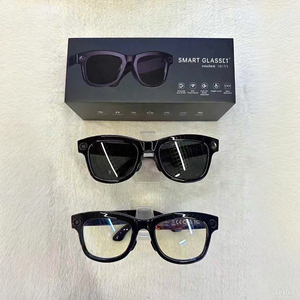
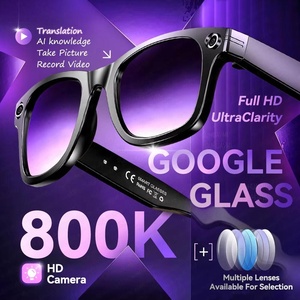
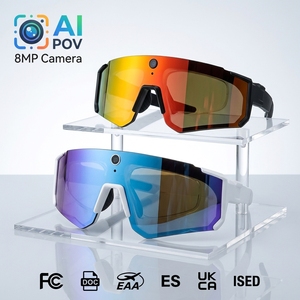
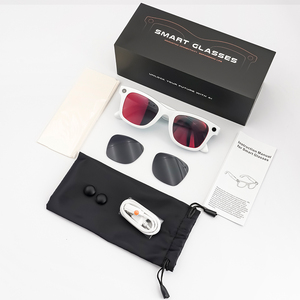
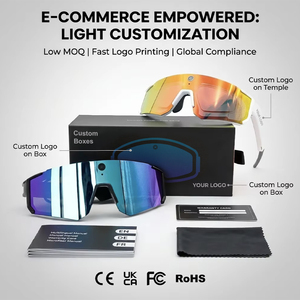
Below are eight flagship smart audio and video polarized eyewear models engineered for global B2B distribution. Each frame leverages certified optical coatings, high-grade polarized glare reduction, integrated microphones, and lightweight ergonomics.
AI Translate Smart Glasses 6.0 | Stabilized Recording, Recognition, Music & Calls, Wireless Magnetic Sunglasses
Technical Evaluation Matrix: Top 10 Polarized Sunglasses Suppliers & Exporters
Selecting a strategic manufacturing partner requires evaluating operational parameters including R&D capacity, optical polarization standards, Rx prescription customization, minimum order quantities (MOQ), and international quality certifications (CE, FDA, ISO 12312-1, ANSI Z80.3). Below is the comprehensive ranking and capability benchmark of the world's leading polarized eyewear exporters and suppliers.
Supplier Name
Primary Hub
Core Expertise
Polarized Lens Tech
Smart Tech Integration
B2B Lead Time
Vigo Technologies (Vue)
San Francisco, USA / Global OEM
Smart Open-Ear Audio & Rx Polarized
9-Layer TAC & Polycarbonate Rx
Bluetooth 5.2, Microphones, App
2 - 4 Weeks
Luxottica Group
Agordo, Italy
Luxury & High-Volume Fashion Brands
Chromance & Crystal Polarized
Ray-Ban Meta Series Integration
6 - 12 Weeks
Safilo Group
Padua, Italy
Sport & Licensed Designer Eyewear
Polar400 Lens Tech
Basic Wearable Sensors
8 - 10 Weeks
Marchon Eyewear
Melville, NY, USA
Ophthalmic & Sunglass Wholesale
Standard TAC Polarized
N/A (Traditional Focus)
6 - 8 Weeks
De Rigo Vision
Longarone, Italy
Fashion & Retail Chain Distribution
Triacetate Polarized Filters
Third-Party Module Ready
6 - 8 Weeks
M订 (Wenzhou Optical Hub)
Wenzhou, China
OEM Mass Production & Rapid ODM
TAC 1.1mm Injected Polarized
Standard Audio Temples
3 - 5 Weeks
Xiamen Optical Exporters
Xiamen, China
Sports Polarized & TR90 Injection
Polycarbonate Polarized Lenses
Sports Camera Mount Ready
3 - 4 Weeks
Shenzhen Precision Optics
Shenzhen, China
High-Precision Acetate & Smart Frames
Nylon Polarized & Photochromic
AI Camera & ChatGPT Audio
2 - 4 Weeks
Fukui Optical Co-op
Sabae, Japan
Titanium & Ultra-Premium Handmade
Multi-Coated Glass Polarized
Custom Mechanical Hinges
10 - 16 Weeks
Korea Optical Group
Daegu, South Korea
K-Style Fashion & Blue-Light Hybrid
High-Index Polarized Rx
Micro-LED Display Modules
4 - 6 Weeks
Optical Engineering & Information Gain: The Science of Polarized Glare Reduction
To effectively position polarized eyewear in B2B markets, optical buyers must understand the physics of polarization. Unpolarized light radiates in three dimensions. When sunlight strikes non-metallic horizontal surfaces such as wet asphalt, body of water, snow, or automobile windshields, light waves undergo specular reflection, becoming polarized along a horizontal axis. This horizontal glare creates intense optical noise, reduces contrast, causes visual fatigue, and degrades peripheral acuity.
9-Layer TAC Construction
Standard commercial polarized lenses utilize a 9-layer Triacetate Cellulose sandwich. The core polyvinyl alcohol (PVA) polarizing film is stretched under thermal tension to align iodine crystals in vertical rows, acting as a microscopic visual blind that blocks 99.9% of horizontal light waves.
Polycarbonate vs. Nylon
While TAC is cost-effective and light, injection-molded Polycarbonate and Polyamide (Nylon) polarized lenses provide 10x greater impact resistance (ANSI Z87.1 high-velocity compliance). Nylon polarized optics deliver superior Abbe value (approx. 52), eliminating chromatic aberration in high-contrast environments.
AR & Hydrophobic Coatings
Top-tier manufacturers apply vacuum-deposited Anti-Reflective (AR) coatings on the rear surface to eliminate back-bounce reflections, paired with oleophobic and hydrophobic topcoats that repel water droplets, sweat residue, and fingerprint oils during active sports use.
Global Procurement & Technology Trends (2026–2030)
The wholesale eyewear industry is pivoting from passive optical frames to active digital wearables. Distributors and importers who update their product catalogues with hybrid functionality are experiencing significantly higher average order values (AOV) and enhanced consumer retention.
1. AI Voice & ChatGPT Micro-Modules
Modern polarized sports glasses now integrate low-power Bluetooth micro-processors, dual beamforming noise-canceling microphones, and touch-activated AI voice assistants. Wearers can receive turn-by-turn cycling navigation, instant language translation, or real-time audio telemetry without reaching for their smartphones.
2. Bio-Based Acetate & Recycled TR90
Environmental compliance regulations in the European Union (EU REACH, RoHS) and North America have accelerated the transition toward eco-friendly frame manufacturing. Leading exporters are utilizing plant-based bio-acetate derived from cotton linters and wood pulp, as well as 100% recycled TR90 memory polymer frames.
3. Automated Rx Polarized Glazing
Direct-to-consumer customization and optical shop fulfillment require rapid turnaround times for prescription polarized lenses. Leading OEM suppliers now offer factory-direct optical laboratory glazing for single-vision, progressive, photochromic-polarized hybrid (Transition-style), and blue-light blocking sun lenses.
When auditing potential sunglasses suppliers, enterprise buyers must evaluate the engineering heritage, failure rates, and service structure of the manufacturer. Derived from over a decade of R&D innovation (exemplified by industry pioneer Vigo Technologies / Vue Smart Glasses), successful wholesale partnerships rely on strict quality control and modular design principles.
Lightweight Ergonomics (25g)
By re-engineering acoustic chambers, temple weight distribution, and utilizing ultra-dense micro-components, modern smart audio frames maintain a frame weight of approx. 25g. This matches traditional acetate optical frames, eliminating bridge pressure during all-day wear.
IPX5 Ingress Protection
High-reliability exporters utilize micro-gasket sealing, hydrophobic acoustic meshes, and nano-coated PCBs to achieve IPX5 water resistance. This protects sensitive electronics against heavy rain, intense sweat, and marine splash environments.
Directional Open-Ear Sound
Miniature directional acoustic speakers mounted in the temples project sound waves directly toward the wearer's ear canal without sealing it. This preserves full environmental ambient awareness—crucial for outdoor sports, cycling, and urban commuting safety.
FSA/HSA & Vision Insurance Compliance
Prescription-ready smart polarized frames are formatted to meet FSA (Flexible Spending Account) and HSA (Health Savings Account) eligibility standards, allowing retail partners to unlock insurance-backed consumer purchasing power.
Magnetic Fast-Charging Systems
Eliminating legacy mechanical USB ports reduces port wear and moisture ingress. Drop-in magnetic charging cases deliver up to 20 hours of standby and full workday operation with seamless docked charging.
Rigorous QA & Field Validation
Iterated across three consumer hardware generations and validated over 10,000+ units shipped globally, mature suppliers offer documented failure rate data (<0.5%) and comprehensive one-year hardware warranties.
B2B Procurement FAQ: Frequently Asked Questions for Importers
What is the difference between TAC, Polycarbonate, and Nylon polarized lenses for B2B procurement?
TAC (Triacetate Cellulose) lenses are lightweight, budget-friendly, and offer 99% glare reduction, making them ideal for lifestyle fashion sunglasses. Polycarbonate lenses are shatterproof and high-impact resistant, essential for active sports and industrial safety standards. Nylon lenses provide superior optical clarity, higher Abbe value, and zero stress cracking around rimless or semi-rimless frame screws, positioned for luxury and premium performance eyewear lines.
How do international buyers verify authentic 100% UV400 and Polarized compliance?
Enterprise buyers should request spectrophotometer spectral transmittance test reports verifying 0% pass-through of UV radiation between 290nm and 400nm. Polarized efficiency is verified using a polarimeter or linear cross-polarization alignment test, ensuring horizontal light transmission is under 0.1% while maintaining luminous transmittance between Category 1 and Category 4 light filter ratings according to ISO 12312-1 and ANSI Z80.3.
What are the typical OEM/ODM Minimum Order Quantities (MOQs) for polarized smart glasses?
Standard MOQ for factory-customized frame colors or laser-etched branding on existing tooling ranges from 100 to 500 units per model. For completely custom ODM frame mold tooling, custom PCB board layouts, and proprietary companion app white-labeling, MOQs typically start at 1,000 to 3,000 units with a development timeline of 8 to 14 weeks.
Can smart audio polarized sunglasses be fitted with custom optical prescription lenses?
Yes. Advanced smart frame architectures feature front-rim lens grooves designed to optical lab standard dimensions (standard base curve 4 to 6). Certified optical laboratories can easily cut and glaze single-vision, progressive, blue-light blocking, photochromic, or prescription polarized lenses directly into the frames.
What certifications are required to import wholesale polarized sunglasses into North America and Europe?
For the United States, importers require FDA Device Registration, Drop Ball Impact Test certification (21 CFR 801.410), and FCC compliance for electronic Bluetooth components. For the European Union, CE marking, ISO 12312-1 sunglasses standard compliance, EU REACH chemical safety clearance, and RED/RoHS certifications for wireless electronics are mandatory.
How does temperature and humidity affect polarized lens storage during ocean freight shipping?
Poorly laminated TAC lenses can suffer from edge delamination or warping if exposed to extreme humidity (>85% RH) and elevated temperatures (>55°C) inside ocean containers for extended periods. Top-tier exporters use vacuum-sealed anti-moisture packaging with desiccant packs and utilize hard-coated hydrophobic seals around lens bevels to ensure long-term shelf stability.
Upgrade Your Eyewear Line with Next-Generation Polarized Smart Tech