Explore our industrial-grade speaker frameworks, automotive autoradio fascias, smart optical-audio chassis, and tour-class line array flybars engineered for optimal resonance control and mechanical durability.
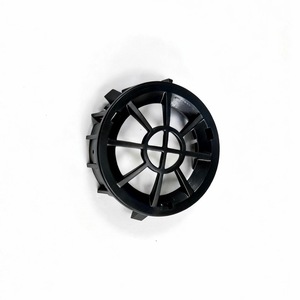
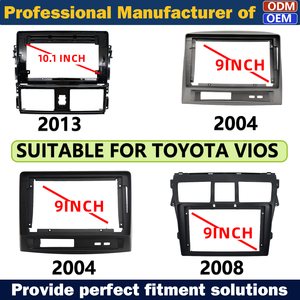
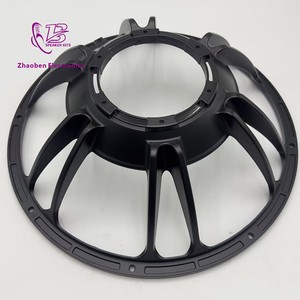
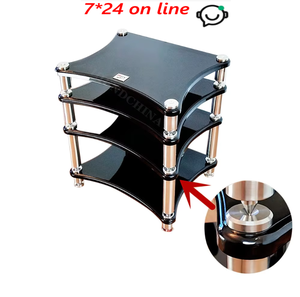
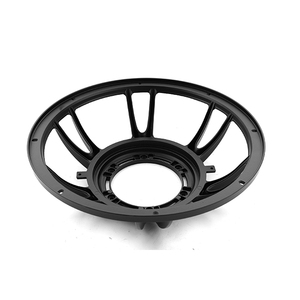
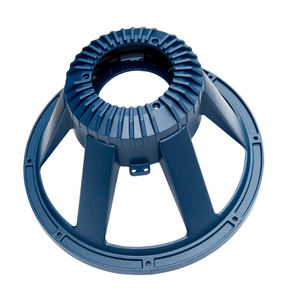
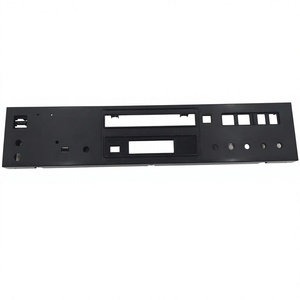
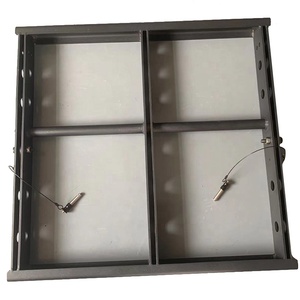
In the contemporary electro-acoustic manufacturing sector, the structural frame of an audio transducer, smart wearable, or automotive sound system is no longer treated as a passive mechanical container. It serves as an active structural foundation that directly dictates dynamic displacement fidelity, thermal dissipation efficacy, structural vibration dampening, and overall electromagnetic containment. As global audio OEMs transition toward micro-mobility smart eyewear, high-excursion pro-sound woofers, and integrated automotive infotainment consoles, selecting a qualified custom OEM audio frame manufacturer becomes a mission-critical supply chain decision.
Audio frames, baskets, and enclosures serve vastly different physical and acoustic demands across distinct industrial sectors. Understanding these engineering nuances is critical for technical procurement teams and product managers:
As the global market for smart wearables, connected vehicles, and immersive live event audio evolves, procurement departments must align with factories capable of supporting next-generation manufacturing methodologies:
Transitioning from traditional iron stampings to ADC12 aluminum die-casting and magnesium-aluminum alloys to reduce moving assembly mass while maximizing structural rigidity under extreme RMS power loads.
Integration of reverse-phase sound ducting within temple frames for smart audio glasses, keeping conversations completely private even in quiet office environments.
Smart factory tooling equipped with embedded shot counters and sensor arrays to ensure preventative mold maintenance before tolerance drift impacts production runs.
Furthermore, sustainability compliance is rapidly shifting from an optional credential to an absolute supply chain requirement. Global brands now mandate recycled aluminum content, non-toxic electroplating, low-VOC powder coating, and minimal material waste through closed-loop CNC machining chips recycling.
Selecting the proper raw material for your OEM audio frame directly impacts mechanical strength, acoustic resonance attenuation, thermal performance, and per-unit cost. Below is a comparative engineering reference matrix utilized by our tooling design division:
| Material Grade | Manufacturing Process | Primary Application Area | Key Acoustic & Mechanical Benefits |
|---|---|---|---|
| ADC12 Aluminum Alloy | High-Pressure Die-Casting | 12" to 21" Subwoofer Baskets, Line Array Housings | High thermal conductivity, excellent dimensional stability, superior mechanical damping versus steel. |
| 6061-T6 Aluminum | 5-Axis CNC Precision Milling | High-End Industrial Speaker Frames, Custom Aircraft Audio | Exceptional strength-to-weight ratio, zero porosity, premium anodized aesthetic finishes. |
| 316L / 304 Stainless Steel | Precision Investment Casting & CNC | Isolation Spikes, Outdoor Pro Speakers, Marine Audio | Maximum corrosion resistance, extreme mass density for kinetic vibration dampening. |
| High-Impact ABS / PC Polymer | Multi-Cavity Plastic Injection Molding | Car Dash Autoradio Fascia Frames, Retro Cassette Shells | Cost-effective volume production, molded-in snap-fit clips, excellent acoustic isolation for car interiors. |
| TR90 / Swiss Acetate | Micro-Injection & CNC Frame Forming | Open-Ear Smart Eyewear & Audio Glasses Temples | Ultra-lightweight (25g system weight), hypoallergenic, flexible memory fit for long daily wearability. |
As a specialized custom OEM audio frames manufacturer and global production facility, our enterprise operations bridge the gap between initial acoustic industrial design and full-scale automated mass production. Our factory infrastructure incorporates:
From dynamic CAD modeling to automated mass assembly, explore how our specialized factory teams partner with your engineering staff at every phase of production.
Our senior mechanical and acoustic engineers analyze your 3D CAD step files. We simulate mold flow, thermal dissipation under high voice-coil loads, and structural stress points to optimize wall thickness and draft angles prior to mold approval.
Using 5-axis CNC machining, 3D metal printing, or rapid aluminum prototype tooling, we deliver physical engineering samples in as few as 7 working days. Samples undergo full dimensional CMM verification and acoustic frequency response testing.
Mass production takes place across high-tonnage cold-chamber die-casting machines and multi-cavity injection presses equipped with robotic extraction arms. Automated processes ensure structural homogeneity and eliminate air pocket porosity.
Components pass through automated deburring, shot-blasting, chemical washing, anodizing, or custom painting lines. For integrated systems like car radio fascias, sub-assemblies (wiring harnesses, CAN-bus modules, clips) are fully integrated in dust-free rooms.
Get immediate answers to common technical queries regarding custom tooling, mechanical tolerances, minimum order quantities, and manufacturing lead times.
MOQs depend on the manufacturing process and material specified. For high-pressure die-cast aluminum speaker frames (e.g., 12" to 21" baskets), our standard MOQ is typically 500 to 1,000 units per batch. For plastic injection molded automotive autoradio fascias or smart eyewear components, MOQs start at 1,000 to 3,000 units. For fully CNC-machined stainless steel or aluminum specialty frames, we offer flexible low-volume runs starting at 100 units to support high-end boutique audio brands.
Die-cast aluminum frames (such as ADC12) offer significant acoustic and mechanical performance advantages over stamped steel. Aluminum is non-magnetic, meaning it does not distort the magnetic flux lines generated by the speaker's neodymium or ferrite magnet assembly. Additionally, aluminum die-cast baskets provide superior structural rigidity under heavy dynamic excursion, offer much higher thermal conductivity for voice coil cooling, and possess inherent material dampening properties that eliminate the metallic ring and high-Q resonant peaks common to thin stamped steel baskets.
Yes. We specialize in micro-injection molding (TR90, Swiss Acetate, and polycarbonate) for smart glasses and open-ear audio eyewear. Our engineering team can co-mold ultra-fine acoustic mesh filter membranes (IPX5 water-resistant ratings), insert-mold metallic contact charging pins, and incorporate internal micro-chambers designed specifically for directional open-ear speaker drivers and noise-canceling mic arrays.
To withstand high humidity, saltwater corrosion, and harsh UV exposure, we offer specialized multi-layer surface treatments. For aluminum frames, we recommend hard-coat anodizing or marine-grade electrophoretic powder coating tested beyond 1,000 hours in salt spray chambers (ASTM B117 compliant). For stainless steel components, we offer electropolishing and PVD (Physical Vapor Deposition) coatings. For automotive plastic fascias, we utilize UV-stabilized automotive lacquers to prevent fading and thermal warping.
For high-precision 5-axis CNC machined stainless steel or aluminum audio frames, we consistently hold micro-machining tolerances as tight as ±0.005mm to ±0.01mm. For standard aluminum die-casting, we conform to ISO 8062-CT4/CT5 precision grades. Critical bearing surfaces, voice-coil top plate mounting seats, and spider clamping steps are routinely post-machined on CNC centers after casting to guarantee absolute concentricity.
We execute strict, legally binding Non-Disclosure Agreements (NDAs) prior to receiving any proprietary CAD models or engineering specifications. All custom molds, dies, and specialized fixtures designed or manufactured for your product remain 100% your exclusive intellectual property. Tooling is maintained in our climate-controlled vault and is never utilized for third-party production without explicit written authorization.
Following CAD approval and DFM sign-off, rapid prototype samples are delivered within 7 to 10 days. Production tooling (die-casting dies or multi-cavity injection molds) requires 21 to 30 days. Once First Article Inspection (FAI) samples are approved by your team, pilot production runs take approximately 14 days, with full-scale mass manufacturing delivered in 30 to 45 days depending on batch volume and surface finishing requirements.
Partner with a trusted, engineering-driven OEM/ODM factory. Contact our technical engineering team today to review your 3D CAD files, request a detailed DFM evaluation, or obtain a competitive quotation.
Inquire Now