B2B Procurement Intelligence
Future Sourcing Trends in Sport & Smart Eyewear (2026–2030)
The global active eyewear landscape is undergoing a structural paradigm shift. Traditional passive tint sunglasses are rapidly being superseded by high-performance hybrid frames that integrate optical precision, extreme impact resistance, and active digital micro-systems. For global procurement officers, brand directors, and optical retail chains, navigating this evolution requires a sophisticated understanding of emerging manufacturing technologies, regulatory hurdles, and shifting user expectations.
"By 2028, over 38% of premium sport eyewear procurement contracts are projected to require integrated electronic functionalities—such as open-ear directional audio, HUD micro-displays, or AI voice assistance—alongside mandatory CE EN ISO 12312-1 certification."
Convergence of Optics & Smart Micro-Hardware
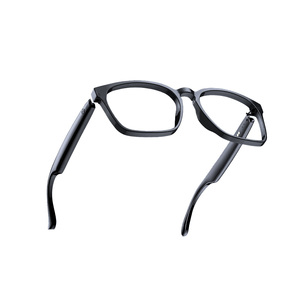
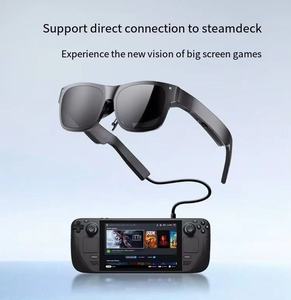
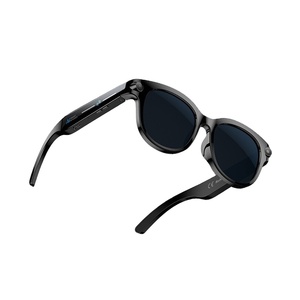
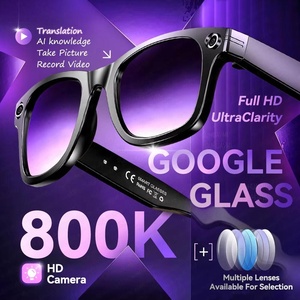
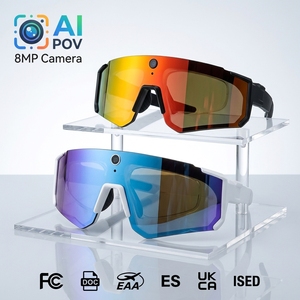
Buyers no longer evaluate sunglasses solely on frame aesthetics and static UV filtering. The market demands seamless integration of ultra-lightweight Bluetooth micro-components, 8MP action video capture, and real-time AI translation tools into classic athletic silhouettes without compromising weight distribution or structural integrity.
Bio-Based Polymers & Circular Materials
EU environmental mandates and consumer ESG priorities are driving suppliers toward bio-based TR90 memory polymers, recycled polycarbonate lenses, and eco-conscious frame acetates. Procurement pipelines must ensure supplier traceability to meet strict European packaging and chemical directives (REACH & RoHS).
Prescription (Rx) Optical Compatibility
A critical friction point in smart sports glasses has historically been lens replacement. Next-generation manufacturing standards dictate that smart frames feature pre-drilled, standardized bevel channels capable of accommodating single-vision, progressive, photochromic, and custom polarized Rx lenses directly from certified optical labs.
Information Gain Analysis: Strategic Buyer Sourcing Matrix
When establishing a long-term supply chain for sport sunglasses, volume purchasers must evaluate key engineering trade-offs between frame mass, acoustic isolation, thermal dissipation for internal chipsets, and water-ingress protection. The matrix below outlines mandatory technical parameters for modern enterprise orders:
- Structural Weight Optimization: Active sport frames must maintain total mass between 25g and 40g to prevent facial fatigue during high-impact movement such as cycling, trail running, or marathons.
- Acoustic Isolation Engineering: Open-ear directional speaker arrays must be tuned to direct acoustic energy precisely down the auditory canal, maintaining caller privacy at 70% volume while retaining ambient environment perception for road safety.
- Ingress Protection Standards: Production lines must enforce IPX5 rating minimums, utilizing hydrophobic nano-coatings and internal rubber gaskets around battery and mic enclosures to withstand heavy perspiration and rain exposure.
- Thermal Management for Micro-Electronics: High-definition video recording (8MP/1080P) and micro-OLED displays generate thermal energy. Frames must feature integrated copper heat sinks or aluminum thermal dissipators embedded within TR90 temple chambers.
Technical Compliance
CE Certification Standards & Technical Manufacturing Metrics
As a tier-one OEM/ODM manufacturer, compliance with European Directive (EU) 2016/425 for Personal Protective Equipment (PPE) is non-negotiable. CE marking on sport sunglasses is not a mere marketing badge; it signifies rigorous empirical validation of optical, mechanical, and biological safety parameters verified by accredited third-party laboratories.
Crucial Testing Protocols for CE & International Compliance
Our manufacturing infrastructure operates under ISO 9001:2015 quality management systems, subjecting every batch of sport sunglasses to five mandatory mechanical and optical audits before global export:
1. EN ISO 12312-1 Optical Clarity
Measures spherical, astigmatic, and prismatic refractive powers to eliminate optical distortion, preventing eye strain and spatial disorientation during high-speed sports.
2. ANSI Z87.1 High-Velocity Impact
Subjecting shatterproof TAC/Polycarbonate lenses to high-mass, high-velocity projectile impacts to guarantee eye defense against road debris and sports impacts.
3. UV400 & Solar Radiation Spectrum
Complete filtering of UVA, UVB, and harmful blue light up to 400nm. Lens transmittances are verified across Category 0 to Category 4 light filter scales.
Manufacturing Specification Blueprint
Below is an technical specification reference engineered for optical buyers, supply chain auditors, and brand quality control teams evaluating our sport sunglasses production line:
| Parameter |
Standard OEM Specification |
Testing Standard / Compliance Method |
| Frame Polymer Material |
EMS TR90 Memory Grilamid / Aircraft Aluminum |
ISO 178 Flexural Strength Test |
| Lens Optical Composition |
7-Layer TAC Polarized / High-Index Polycarbonate |
EN ISO 12312-1 Clause 5.2 |
| UV Protection Spectrum |
100% UV400 (290nm - 400nm block) |
Spectrophotometric Transmission Audit |
| Water & Dust Ingress |
IPX5 Sealed Acoustic Chambers & Gaskets |
IEC 60529 Ingress Protection Standard |
| Wireless Connectivity |
Bluetooth 5.3 Low Energy + AAC/SBC Codecs |
FCC / CE RED / TELEC Radio Certification |
| Battery Safety & Lifecycle |
Dual Micro Lithium Cells (85mAh per temple) |
UN38.3 / IEC 62133 / MSDS Certified |
| Biocompatibility |
Hypoallergenic Silicone Nose Pads & Tips |
ISO 10993 Cytotoxicity & Skin Sensitization |
Enterprise OEM / ODM Manufacturing
Why Leading Global Brands Partner with Us
Based on years of specialized R&D through our engineering operations (Vigo Technologies Inc. / Vue platform), we provide full-turnkey manufacturing solutions for high-end optical houses, activewear apparel brands, tech OEMs, and regional distributors.
In-House Certified Optical Glazing Lab
We don't just mold plastic; we cut and glaze precision optical lenses. Every frame can be fitted with custom single-vision, progressive, photochromic, or blue-light filtering lenses directly off the production floor.
Proprietary Firmware & App Ecosystem
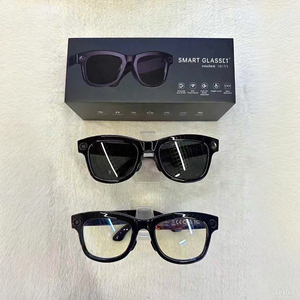
Our smart glasses infrastructure includes custom companion apps (iOS/Android) for key gesture mapping, firmware OTA updates, multi-language AI translation integration, and remote camera controls.
Rigorously Tested Supply Chain & Warranty
Every product line comes backed by a 1-year enterprise hardware warranty, fully documented RMA processes, and transparent component lead-times to guarantee retail stock continuity.
Q1: How do you verify CE compliance for international customs and retail entry?
Every shipment is delivered with a complete CE Declaration of Conformity (DoC) alongside accredited lab test reports for EN ISO 12312-1 (sunglass optics), EN 62479 / EN 300 328 (RED directive for Bluetooth equipment), and RoHS/REACH chemical safety clearances. Custom paperwork for FDA registration (US) and TELEC (Japan) is also provided for enterprise accounts.
Q2: What are your Minimum Order Quantities (MOQs) for OEM custom branding vs. stock wholesale?
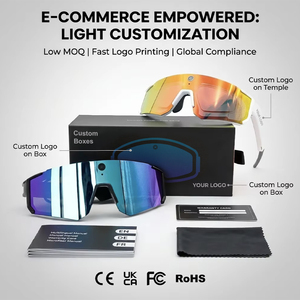
For stock wholesale models featured in our core catalog, MOQs start as low as 20 units per SKU. For custom OEM projects involving custom laser-etched frame logos, bespoke pantone frame colors, customized packaging, or customized app firmware branding, our standard MOQ is 500 units per style.
Q3: Can your sport frames be fitted with custom prescription (Rx) lenses?
Yes. All our frame geometries—including the 2026 SNT SOLIS and Vue series—are specifically pre-drilled and standardized for optical glazing. Your optical technicians can glaze single-vision, progressive, high-index, or polarized Rx lenses, or you can outsource prescription glazing directly to our in-house optical laboratory prior to shipment.
Q4: How does open-ear directional audio function in high-wind cycling or sports environments?
Our directional speaker enclosures utilize dual micro-cavities that project sound directly into the ear canal while cancelling external sound scatter. Built-in beamforming microphones incorporate wind-noise suppression algorithms, ensuring crystal-clear voice pick-up for phone calls, voice assistants, or live AI translation even when traveling at speeds up to 35 km/h.
Q5: What is the average battery life and charging cycle durability for active smart frames?
Our smart sport frames deliver 4 to 7 hours of continuous audio playback or up to 20 hours of standby on a single charge. Included magnetic quick-charge cables or charging cases restore 80% battery capacity in under 35 minutes. Lithium cells are rated for over 500 complete charge cycles with less than 15% capacity degradation.
Q6: What water and sweat resistance certifications do these sport sunglasses carry?
Our sport sunglasses carry an IPX5 water resistance rating. Internal circuits are sealed with conformal hydrophobic coatings, and charging ports use gold-plated magnetic pins to prevent corrosion from human sweat, rain, or road spray. Note: They are designed for intense land sports, running, and cycling, but are not rated for submersion or swimming.
Q7: What is your production lead time for bulk enterprise orders?
Standard wholesale catalog items ship within 3 to 7 business days. Custom OEM/ODM orders requiring custom injection molding, customized chipsets, or specialized packaging typically require 25 to 35 calendar days from final sample approval and deposit receipt.
Q8: How do you handle warranty claims, defective units, and spare parts support?
We offer a comprehensive 1-year factory warranty on all micro-electronics and frame hardware. For enterprise accounts, we provide a 1% spare parts buffer (temples, nose pads, lenses, charging cables) with every bulk shipment or offer immediate replacement credit on future orders for verified manufacturing defects.