
Vue Smart Glasses
All Products
Eyeglasses
Sunglasses
Accessories
Vue Lite 3
How It Works
Lenses
Vue App
FSA, HSA & Insurance
About
Contact
Explore Top Picks Find a Store
0%

Sourcing FSA HSA Eligible Smart Eyewear requires more than finding a product labeled “health-related.” Buyers must connect each feature to a qualified medical purpose. Prescription lenses, vision correction, and documented visual needs may support eligibility. Wellness features alone may not.

Roy Ramthun, a former IRS health-plan specialist and recognized HSA expert, has stated, “An HSA is not a use-it-or-lose-it account.” His point highlights a wider sourcing lesson: eligibility depends on substantiation, not marketing language. Product teams should review the prescription requirement, itemized invoice, medical-necessity documentation, and the buyer’s specific plan rules. Keep records.

Details matter. A compliant listing should identify the lens type, prescription status, clinical purpose, seller information, and purchase date. It should also avoid promising automatic reimbursement. FSA and HSA administrators may interpret documentation differently. That uncertainty deserves attention.

Do not rely on packaging alone.

In practice, sourcing teams should request written eligibility guidance before launching a product. They can also test a sample claim with an administrator, then preserve the response. This step is slower, but safer. I have seen how vague product descriptions create confusion at checkout and during reimbursement reviews. A smart frame may include cameras, audio controls, or activity tracking. Those features can complicate the analysis. The strongest approach separates medical functionality from convenience technology. It also acknowledges limitations honestly. FSA HSA Eligible Smart Eyewear should be presented as potentially eligible when requirements are met, not as universally reimbursable. That wording builds trust and supports a more defensible buying decision.
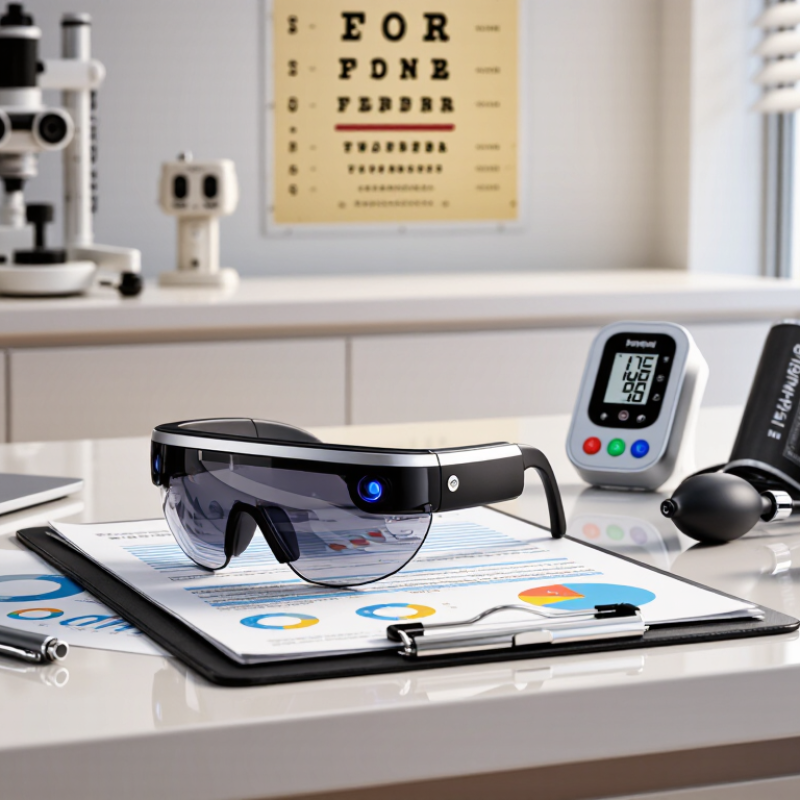
How to Source FSA HSA Eligible Smart Eyewear?

Understanding FSA and HSA Eligibility for Smart Eyewear

How to Source FSA HSA Eligible Smart Eyewear?

Understanding FSA and HSA Eligibility for Smart Eyewear

Smart eyewear is not automatically eligible for FSA or HSA payment. Eligibility usually depends on its primary medical purpose, not its cameras, speakers, or design. Devices that correct vision may qualify when prescribed by a licensed eye-care professional. However, general wellness features rarely meet medical expense requirements.

Check the details carefully. Ask the seller for an itemized receipt, product specifications, and medical-use documentation. Then confirm the purchase with your FSA or HSA administrator. Some administrators may request a letter of medical necessity, prescription, or proof that the eyewear treats a diagnosed condition. Rules can vary by plan.

Do not rely on a checkout badge alone. I once assumed that prescription capability guaranteed reimbursement, but that assumption was too broad. The prescription, device function, and plan rules all matter. A reliable supplier should explain these limits clearly and avoid promising automatic approval. Keep invoices, prescriptions, and administrator correspondence together. Small records can prevent larger problems later.

Ask practical questions before sourcing. Is the product medically necessary? Is the eligible amount separated from non-medical accessories? Can the supplier provide a detailed invoice? If the answers are vague, pause the order. Eligibility guidance can change, so verify current requirements with your plan administrator or a qualified tax professional.

Defining the Health Needs Smart Eyewear Can Address

Smart eyewear can address practical health needs when its features support a documented medical purpose. Some devices enlarge text, improve contrast, or provide spoken guidance for people with low vision. Others offer hands-free prompts that may help users follow daily routines. These functions can reduce strain in specific situations. They do not diagnose or treat disease.

The health need should come before the product. A user with visual difficulty may need adjustable magnification in a dim room, while someone with limited mobility may benefit from voice-based navigation. A clinician’s assessment can clarify whether the device supports an existing condition. Product descriptions alone are not enough. Real-world testing matters, too. Glasses that work well indoors may perform poorly under bright sunlight.

FSA or HSA eligibility depends on the plan, current rules, and medical documentation. Do not assume that “smart” means eligible. Ask the administrator whether the device qualifies, and keep the receipt, product details, and any required letter of medical necessity. Some claims may be rejected when a device includes mainly entertainment features. The boundary is not always clear. That is worth checking before purchase. A careful sourcing process compares the health function, evidence, comfort, warranty, and privacy practices. In practice, comfort may decide whether the eyewear helps at all.

How to Source FSA/HSA-Eligible Smart Eyewear?

Defining the Health Needs Smart Eyewear Can Address

Smart eyewear may support people who need hands-free magnification, visual prompts, navigation assistance, or accessibility features. These functions can assist with daily activities, but they do not diagnose or treat eye conditions.

FSA/HSA eligibility depends on the product’s medical purpose, documentation, prescription or letter of medical necessity, and the individual plan administrator. The figures shown are global estimates from the World Health Organization and are not additive because some conditions overlap.

Checking Product Features and Eligibility Requirements

When sourcing FSA or HSA eligible smart eyewear, inspect the product before trusting an eligibility label. Smart features do not automatically make eyewear medically eligible. Check whether it includes prescription lenses, vision correction, or another documented medical purpose.

Ask for technical specifications, lens details, intended-use statements, and a current receipt format. Tiny details matter.

Eligibility can depend on the plan, administrator, and the user’s medical circumstances.

Review current guidance from the relevant tax authority, then confirm requirements with the benefits administrator. Some plans may request a prescription, a letter of medical necessity, or proof of purchase.

A checkout badge is not enough evidence.

Keep itemized invoices showing the frame, lenses, taxes, and shipping separately.

For supplier evaluation, request written confirmation of eligibility support and claim documentation.

Test whether the eyewear performs as described, especially prescription accuracy, battery life, fit, and app compatibility. Privacy terms and warranty coverage deserve equal attention.

A practical sourcing lesson is that polished demonstrations can hide replacement-lens costs. That is an expensive blind spot.

Even careful records cannot guarantee approval, so buyers should verify eligibility before purchasing and maintain a clear return process.

Comparing Qualified Sellers, Documentation, and Payment Options

Smart eyewear is not automatically FSA or HSA eligible. Eligibility usually follows medical purpose, not cameras, speakers, or styling. IRS Publication 502 lists prescription eyeglasses as medical expenses, while general-purpose electronics remain questionable. That distinction matters as HSA-qualified coverage expands. The 2024 EBRI/Greenwald Research Consumer Engagement in Health Care Survey found roughly one in four adults had HSA-eligible coverage. Buyers should verify the diagnosis, prescription, and plan rules before ordering.

Compare sellers by documentation quality, not only discounts. Look for an itemized invoice, prescription matching the product, and a clear medical-necessity statement when required. Ask whether the seller supports reimbursement after purchase. IRS Publication 969 confirms HSA distributions are tax-free only for qualified medical expenses. Your plan administrator may apply stricter procedures. A product page is not evidence. In practice, missing receipts create more friction than the purchase itself. No seller can guarantee approval.

An FSA or HSA card is convenient, but it does not erase eligibility checks. Use it only after confirming the eligible amount and required records. If the card fails, pay personally and request reimbursement through the administrator. Keep the receipt, prescription, diagnosis-related note, and delivery confirmation together. Digital records are useful, but screenshots alone may be incomplete. Plans differ, and that is the uncomfortable part. Confirm deadlines, rollover rules, and return handling before payment. Do not assume smart features make ordinary eyewear reimbursable.

Completing the Purchase and Maintaining Compliance Records

Completing the Purchase and Maintaining Compliance Records

Before purchasing smart eyewear with FSA or HSA funds, verify eligibility with your plan administrator. Product categories can differ between plans. A checkout banner is not proof. Ask whether the eyewear qualifies as a medical expense, especially when it includes cameras, audio features, or general technology. If medical necessity is required, request a dated letter from a qualified healthcare professional before payment. Keep the request practical and specific.

At checkout, save the itemized receipt, not only the payment confirmation. The receipt should show the purchase date, product description, quantity, price, taxes, and payment method. Separate eligible eyewear from noneligible accessories, extended warranties, subscriptions, and optional software. This small step prevents confusion later. I would also save the product specifications and prescription documents in one folder. Paper copies still help.

Keep everything together.

Use a clear file name, such as “2026-10-20_Smart-Eyewear_Receipt.” Store digital records securely and keep physical documents away from heat and moisture. Retention periods vary by plan, so follow your administrator’s instructions and applicable tax guidance. If a claim is denied, request the reason in writing and avoid resubmitting altered documents. My own review process would include checking the final reimbursement amount against the receipt. It is easy to overlook shipping or a bundled accessory. Eligibility can change, and careful records do not guarantee approval. They simply make an honest review easier.

FAQS

Does smart eyewear automatically qualify for FSA or HSA payment?

No. Smart features alone do not prove medical eligibility. Prescription lenses, vision correction, or documented medical use may matter.

What should I check before purchasing?

Request lens details, technical specifications, intended-use information, and the current receipt format. Tiny details can change the decision.

Who should confirm eligibility?

Contact your plan administrator before payment. Rules may differ between plans and personal medical circumstances.

Can a checkout eligibility badge prove approval?

No. A checkout badge is not enough evidence. Ask for written confirmation and follow the plan’s documentation requirements.

What documents might the plan request?

You may need a prescription, medical-necessity letter, itemized invoice, or proof of purchase. Ask before buying.

What should an itemized receipt include?

It should show the date, description, quantity, price, taxes, and payment method. Separate eyewear from shipping and accessories.

How can I evaluate the product beyond its eligibility?

Test prescription accuracy, battery life, fit, and app compatibility. Review privacy terms and warranty coverage carefully.

What hidden costs deserve attention?

Replacement lenses, subscriptions, software, and extended warranties may cost extra. Demonstrations can hide these expenses.

How should I organize compliance records?

Store receipts, specifications, prescriptions, and approval messages in one secure folder. Use a clear filename with the purchase date.

What should I do if reimbursement is denied?

Request the reason in writing. Do not alter documents. Review the final amount against the receipt.A careful process helps, but approval is never guaranteed. I might still miss a bundled accessory.

Conclusion

Sourcing FSA HSA Eligible Smart Eyewear requires more than choosing a device with health-related features. Start by identifying the specific health need the eyewear is intended to support, such as vision assistance, accessibility, or another eligible medical purpose. Then review the product’s functions, intended use, and available documentation to determine whether they align with current FSA or HSA requirements. Eligibility can vary by plan, so confirm the details with your benefits administrator before purchasing.

Next, compare qualified sellers based on transparent product information, medical-necessity documentation, receipts, and payment methods that support compliant reimbursement. Before completing the transaction, verify whether a letter of medical necessity or other provider documentation is required. Keep itemized receipts, eligibility confirmations, prescriptions, and related records in a secure location. These steps can help reduce reimbursement issues and support accurate recordkeeping if your account administrator requests proof of eligibility.

Amelia

Amelia

Amelia is a professional marketing specialist dedicated to helping businesses understand products, markets, and customer needs more clearly. With a strong command of the company’s product portfolio, industry trends, and practical applications, she creates informative and engaging content that......