
Vue Smart Glasses
All Products
Eyeglasses
Sunglasses
Accessories
Vue Lite 3
How It Works
Lenses
Vue App
FSA, HSA & Insurance
About
Contact
Explore Top Picks Find a Store
0%

Choosing the best Noise Canceling Audio Eyewear in 2026 requires more than comparing attractive frames and impressive specifications. These hybrid devices combine sunglasses or clear lenses, microphones, speakers, Bluetooth controls, and active noise cancellation. Each part affects daily comfort and listening quality. A pair that sounds excellent in a quiet office may disappoint beside a busy road. Real-world testing matters.

Begin with your routine. Commuters may value wind reduction and stable microphones. Office users may prefer gentle noise control and clear voice calls. Outdoor wearers should examine lens protection, frame durability, battery life, and water resistance. Fit is equally important. Pressure behind the ears can become uncomfortable after several hours. Small details matter, such as button placement, charging speed, and whether the frames work with prescription lenses.

Reliable evaluation should consider independent measurements, manufacturer documentation, warranty terms, and privacy controls. Do not trust battery claims without checking the testing conditions. Some brands measure playback at moderate volume, while others use different standards. That makes comparisons imperfect. Still, useful patterns appear when several reviews agree.

The “best” model is rarely universal. It may be the lightest option for one person and the clearest-calling option for another. I would also question whether strong cancellation is necessary for every environment. Open-ear designs can preserve awareness, but they may provide less isolation near loud machinery. Comfort, hearing safety, and responsible volume levels deserve attention. This guide will examine those trade-offs carefully, using practical scenarios instead of relying only on marketing language.
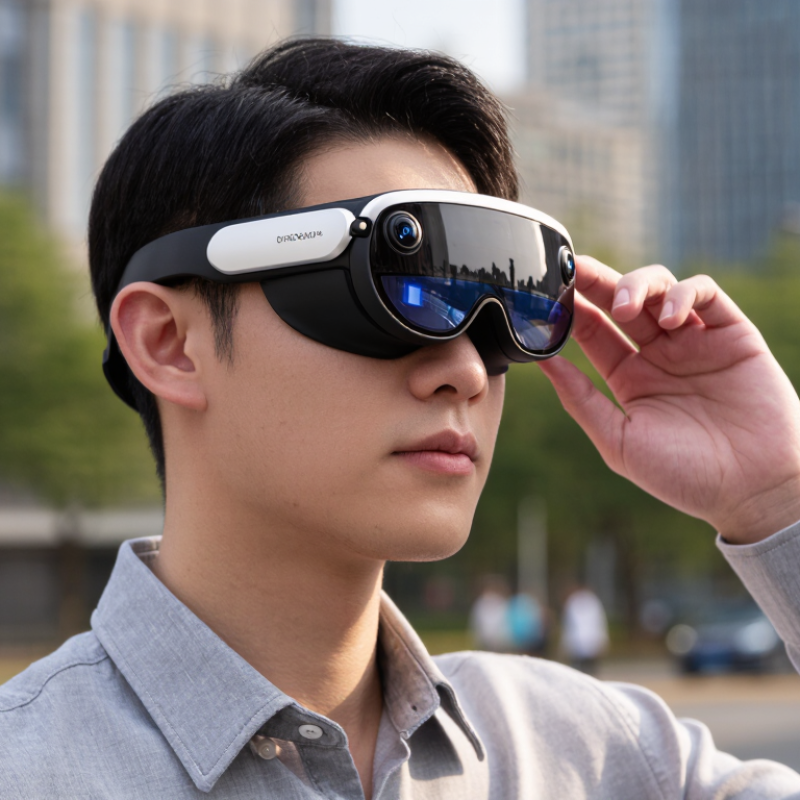
How to Choose Best Noise Canceling Audio Eyewear in 2026?

What Noise-Canceling Audio Eyewear Is and How It Works

How to Choose Best Noise Canceling Audio Eyewear in 2026?

Noise-canceling audio eyewear combines eyeglass frames, small speakers, microphones, and digital sound processing. The speakers usually sit near your ears instead of sealing the ear canal. This design lets you hear music, calls, and some environmental sounds together.

It is not magic. External microphones detect nearby noise, such as traffic or air-conditioning. The processor then creates an opposite sound wave to reduce that noise. This is called active noise cancellation, or ANC. Passive isolation depends on the frame shape and how well it fits your face. Low-frequency sounds are usually easier to reduce than sudden voices or sharp clatter.

Fit matters. During testing, walk outside, sit in a busy café, and make a phone call. Notice wind noise, voice clarity, pressure behind your ears, and sound leakage. Choose adjustable frames, clear microphone specifications, and battery information from reliable technical documents. Audio eyewear should also offer volume controls and a transparent listening mode when awareness is important.

My own judgment can be imperfect. A comfortable frame may have weaker bass, while stronger processing may shorten battery life. Marketing terms can sound impressive but reveal little about real performance. Check independent measurements when available, and compare results in places you actually use. A quiet office test cannot predict a windy commute.

Which Features Matter Most for Different Listening Needs

How to Choose Best Noise Canceling Audio Eyewear in 2026?

The right audio eyewear depends on where and why you listen. Commuters need effective noise reduction near traffic and crowded platforms. Look for adjustable noise control, clear voice pickup, and stable frames that stay comfortable during movement. Open-ear designs can preserve environmental awareness, but they may sound weaker beside heavy engines. That trade-off matters.

Tips: Test the eyewear with glasses, a hat, or a mask. Check whether the arms press behind your ears. For office calls, prioritize microphone clarity and wind filtering. For music, examine bass balance, volume limits, and leakage. Travelers should compare battery life with their longest usual journey. Small controls help when your hands are full.

For podcasts and audiobooks, speech clarity is more valuable than powerful bass. Cyclists and walkers may prefer transparency modes, physical buttons, and dependable fit. At the gym, sweat resistance and quick charging deserve attention. I once focused too much on maximum battery life and ignored frame pressure after an hour. That was a useful mistake. Comfort often decides whether advanced features get used. Check independent test results, warranty terms, and return policies before purchasing. No model performs perfectly in every setting.

How to Compare Sound Quality, Noise Control, and Call Performance

Choosing the best noise canceling audio eyewear in 2026 requires more than reading specifications. Sound quality should remain clear at low and high volumes. Play familiar tracks with vocals, bass, and quiet details. Listen for distortion.

Use trusted recordings, not only the product’s demonstration files. A well-tuned device should separate instruments without making voices thin. Published frequency data can help, but personal testing still matters. My preferred sound may not suit everyone. That is an important limitation. Some listeners want warm bass, while others need balanced speech for podcasts and navigation. Check comfort during a 30-minute session, because pressure near the ears can change your judgment.

Noise control must be tested in realistic places, such as a busy street, train platform, or shared office. Compare active noise cancellation with passive protection. Notice whether low engine sounds disappear while sudden voices remain understandable. Transparency mode should sound natural, not metallic. Do not trust a quiet showroom. It hides weaknesses. Independent measurements are useful, but they cannot fully predict wind noise or movement.

Call performance needs separate attention. Record your voice outdoors and indoors. Ask another person whether your words stay clear when traffic passes. Wind is revealing. A strong microphone system reduces rumble without cutting consonants. Some devices perform well in still rooms but struggle during walking. I have found that advertised microphone claims can feel optimistic. Test calls with background music, light wind, and weak signal conditions. Then check whether controls are easy to use without touching the lenses.

How to Evaluate Comfort, Safety, Battery Life, and Durability

How to Choose Best Noise Canceling Audio Eyewear in 2026?

Comfort should be tested beyond a quick store fitting. Wear the eyewear for thirty minutes, then check pressure around your temples, nose, and ears. Lightweight frames can still create headaches when the hinges grip too tightly. Look for adjustable nose pads, balanced weight, and lenses that remain stable during walking. Sweat resistance matters during commuting or outdoor exercise.

Safety deserves equal attention. Noise cancellation should reduce distractions without hiding essential sounds, especially near roads or shared paths. Choose models with adjustable transparency modes and clear volume controls. Check regional safety certifications and read the technical documentation, not only the product description. I would also test microphone clarity in wind, because poor calls can encourage unsafe phone handling. That detail is easy to miss.

Battery claims need practical testing. Record playback time with cancellation, calls, and transparency enabled, rather than trusting standby figures. A battery indicator with several levels is more useful than a vague warning. USB charging is convenient, but inspect the port seal and cable connection. Durability depends on hinges, coatings, controls, and repair support. Try the buttons repeatedly. They should not feel loose. Small weaknesses often appear before major failure. I might overvalue sleek frames myself; daily comfort and replaceable parts matter more. Check the warranty terms, storage case, and cleaning instructions before paying.

How to Choose the Best Audio Eyewear for Your Budget and Lifestyle

How to Choose the Best Audio Eyewear for Your Budget and Lifestyle

Choosing audio eyewear in 2026 starts with your daily routine, not the newest feature list. Your budget should cover comfort, battery life, sound quality, and dependable support. For commuting, active noise cancellation can reduce train noise and nearby conversations. However, it may perform unevenly against sudden sounds or strong wind. Open-ear designs help you hear traffic, colleagues, and household alerts. They usually offer less isolation in crowded places.

I once focused too much on maximum battery claims. The frame felt heavy after two hours. Comfort matters more than impressive numbers. Check the frame width, lens options, control placement, and charging method. If you wear prescription lenses, confirm compatibility with a qualified optical provider. Read independent measurements when available. Also inspect the return policy and warranty terms. No single model wins.

Tips: Try the eyewear for thirty minutes before deciding. Test it outdoors. Speak naturally while using the microphone. Check whether the controls respond with wet or cold fingers. Keep volume moderate, especially near traffic. Compare real battery performance, not only laboratory estimates. Apps may request personal permissions, so review them carefully.

A lower-priced pair can suit occasional listeners, students, or short commutes. Frequent travelers may value stronger noise control and replaceable accessories. Runners might prefer a lighter frame and reliable environmental awareness. My preference can change after one uncomfortable afternoon. That is worth remembering.

How to Choose the Best Noise-Canceling Audio Eyewear in 2026

Match the eyewear’s noise-control performance to the sound levels you experience most often, then compare comfort, battery life, audio quality, and price.

The ranges show approximate real-world ambient sound levels in decibels (dBA). A quiet office may need only light noise reduction, while public transit, busy streets, and airplane cabins generally benefit from stronger active noise cancellation and a secure fit. For a limited budget, prioritize comfort and reliable passive sealing before advanced features; frequent travelers may benefit from investing more in stronger noise control and longer battery life.

FAQS

What is noise-canceling audio eyewear?

It combines eyeglass frames, small speakers, microphones, and digital sound processing. Speakers sit near your ears. You can hear audio and some surroundings together.

How does active noise cancellation work?

Microphones detect nearby sounds, such as traffic or air-conditioning. A processor creates opposite sound waves. These waves reduce some external noise.

What sounds does noise cancellation reduce best?

Low, steady sounds are usually easier to reduce. Engine rumble may soften noticeably. Sudden voices and sharp clatter remain more difficult.

Why does frame fit matter?

Fit affects comfort, sound leakage, and passive isolation. Pressure behind your ears can become annoying after one hour. Adjustable frames may help.

How should I test audio eyewear before buying?

Try it outdoors, in a busy café, and during a phone call. Notice wind noise, voice clarity, and frame pressure. Test it with glasses, hats, or masks.

Which features help commuters and walkers?

Look for stable frames, adjustable noise control, and clear voice pickup. Transparency mode can preserve environmental awareness. Heavy engines may still overpower open-ear audio.

What features matter for calls, podcasts, and music?

Calls need clear microphones and wind filtering. Podcasts need speech clarity more than powerful bass. Music listeners should check bass balance, volume limits, and sound leakage.

How important are battery life and charging?

Compare battery life with your longest normal journey. Quick charging helps at gyms or during rushed mornings. Longer battery life may not justify uncomfortable frames.

Can one pair perform perfectly everywhere?

Probably not. Stronger processing may reduce battery life. A quiet office test cannot predict a windy commute. My own judgment can be imperfect, so independent measurements deserve attention.

Conclusion

Choosing the best Noise Canceling Audio Eyewear in 2026 begins with understanding how it combines wearable audio with noise reduction. These devices use microphones, speakers, and signal processing to reduce unwanted environmental sounds while delivering music, podcasts, navigation prompts, or calls. The right choice depends on your listening needs: prioritize balanced sound for entertainment, clear voice pickup for communication, or stronger noise control for commuting and busy workplaces. Adjustable controls and transparent listening modes can also make daily use more convenient.

When comparing models, evaluate audio clarity, bass balance, noise reduction effectiveness, and call performance in realistic environments. Comfort is equally important, so consider frame fit, weight, lens options, and long-term wearability. Safety features, reliable battery life, charging speed, water resistance, and build quality can determine whether the eyewear suits everyday use. Finally, match the features to your budget and lifestyle rather than paying for functions you will rarely use. The best option is one that delivers dependable performance, comfortable wear, and practical value for your routine.

Amelia

Amelia

Amelia is a professional marketing specialist dedicated to helping businesses understand products, markets, and customer needs more clearly. With a strong command of the company’s product portfolio, industry trends, and practical applications, she creates informative and engaging content that......